The House Lost: Bessent Walks Back His Bond Boast as Yields Keep Climbing
The week's defining tension: a newly hawkish Fed and rising yields against an equity market that has returned 78% over the past three calendar years. A rare signal that has appeared only twice in a century has now sho...
Quick Hits
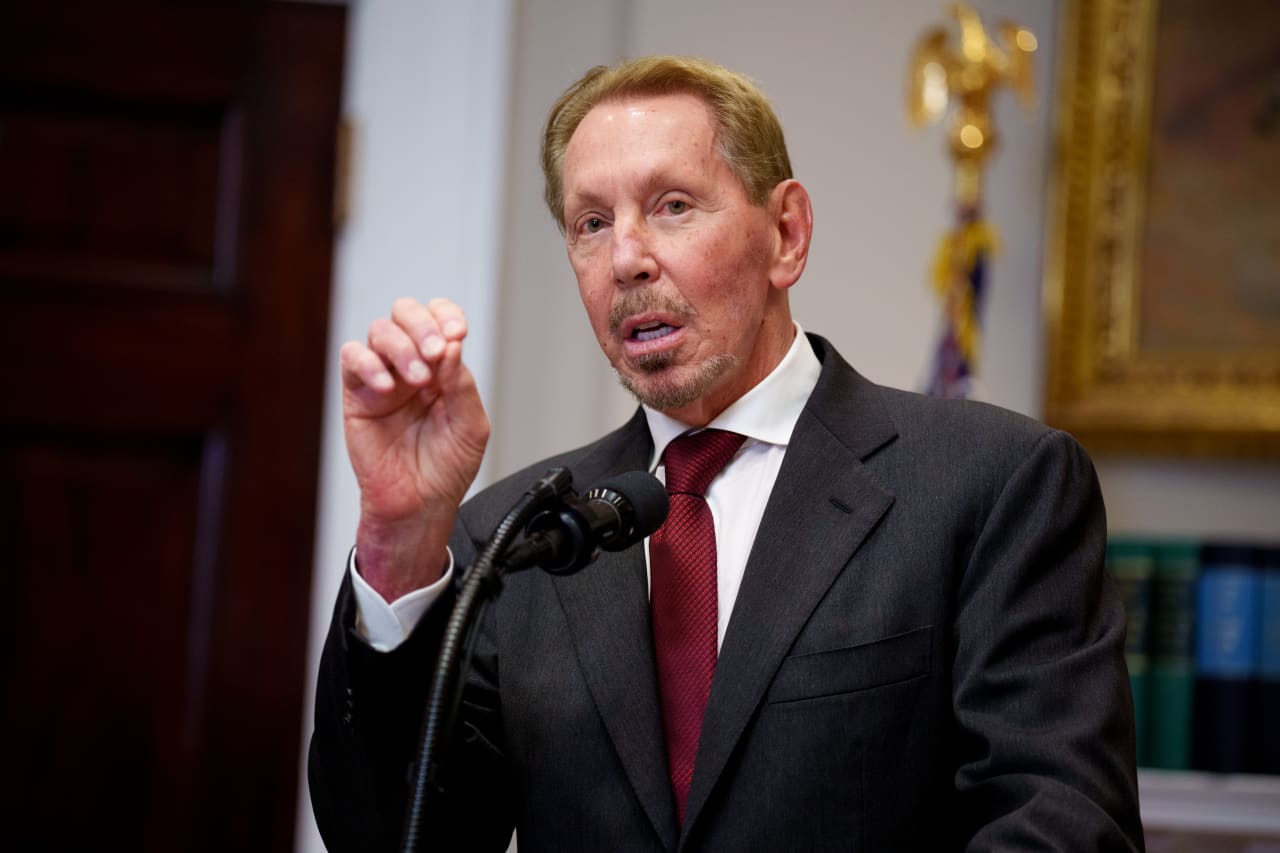
- Bessent blinks. Treasury Secretary Bessent walked back his month-old "I am the house" declaration about the bond market in a televised Axios interview, defending Treasury's record after yields kept rising anyway (MarketWatch). The bond market, so far, is not folding.
- The Warsh Fed is hiking. Fed Chair Kevin Warsh — confirmed 54-45 in May, the most divisive Senate vote ever for a Fed chair — raised rates last month for the first time since 2023, and the Fool expects more hikes as inflation sits above target. Standard Chartered's chief investment office counters that bond and money markets have turned overly hawkish, calling the selloff a rare buying opportunity.
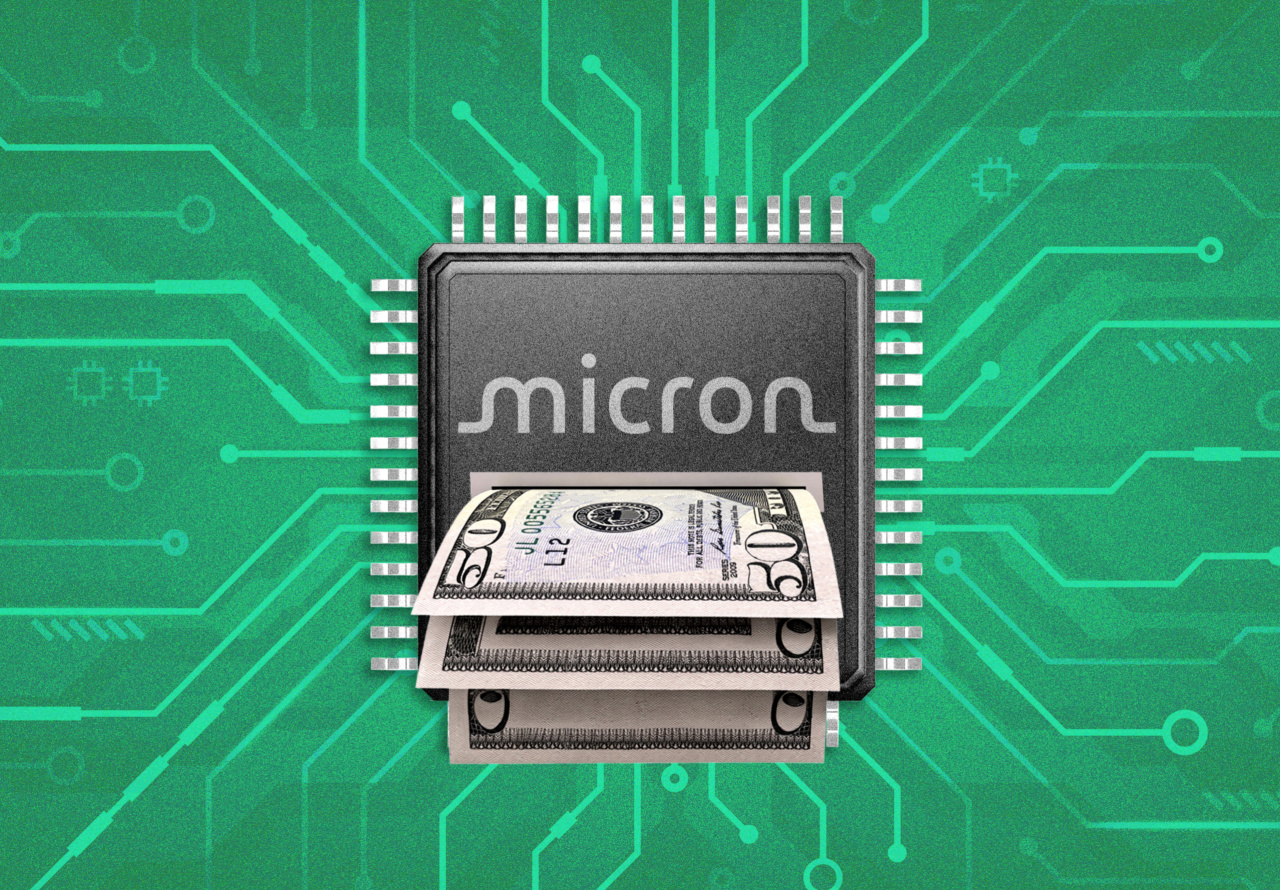
- Micron is minting cash. Micron (MU) is taking in more cash than Apple (AAPL) or Nvidia (NVDA) and is set to start handing it back via buybacks (MarketWatch) — the clearest marker yet that AI has turned memory chips into one of tech's biggest bottlenecks.
- Energy led Q3. The energy sector outperformed the S&P 500 last quarter as oil prices rose (Seeking Alpha), and Middle East crude exports have recovered to near pre-war levels — though refined products still lag.
- Bitcoin holds $80K. Bitcoin (BTC) has stayed above $80,000 for two weeks, and Fidelity's Jurrien Timmer is among those suggesting the bottom may finally be in.
Fed & Economic Data
- The Bessent walk-back is the tell: a month after declaring "I am the house," the Treasury chief is now defending his department's record with yields still climbing — an implicit admission that the market holds the stronger hand (MarketWatch).
- The rate backdrop is now fully Warsh's problem. His 54-45 confirmation was the most divisive in Fed history, per CNBC, and the 45 dissenting senators underscore the political skepticism hanging over a fresh hiking cycle (Fool).
- For context on timing: the Fool notes stocks typically fall after a Fed hike cycle begins — then gain 6.8% within a year, a template one writer is using to position.
- CNBC's recap attributes last week's stock action to three drivers: Nvidia, Micron, and a surprising jobs report.
- With Treasury yields rising, financial planners report surging interest in bonds, and MarketWatch rounds up strategies to lock a "safe 5%" on cash.
- Wage watch: with inflation outpacing wage growth, switching jobs remains a lever for raises — but it works far better in some industries than others (MarketWatch).
Hot Sectors
- Energy's quarter. Beyond the Q3 leadership story, the supply picture is normalizing: Middle East crude exports are back near pre-war levels, though product exports lag (Seeking Alpha). The wildcard is Washington — President Trump said he is "very seriously" considering curbing diesel exports, a move the Fool warns could have disastrous repercussions.
- AI memory is the bottleneck. Western Digital (WDC) is up 288% over the past 12 months, with Sandisk (SNDK) surging alongside it — the Fool sizes up which is the better play on the storage side of the AI boom. A Reddit deep-dive traces Micron from a 1978 dentist's basement to the center of the memory squeeze.
- Nuclear's renaissance. Cameco (CCJ) trades near $85, and the Fool makes the case it's the safest way to play the nuclear comeback — by its math, a $10,000 stake with dividends reinvested has compounded at roughly 26% annually to more than $107,000.
- AI infrastructure keeps scaling. Nvidia CEO Jensen Huang reaffirmed his projection that data-center capital expenditures hit $3 trillion by 2030 (Fool), while Wall Street's "ultimate picks-and-shovels" AI play, per the Fool, is a $2.4 trillion chipmaker that isn't Intel or Nvidia. Industry forecasts now point to viable quantum computing by 2029, feeding the Alphabet (GOOGL)-versus-IonQ (IONQ) debate.
Stock News
- Streaming's gap widens. YouTube captured a record 14.2% of U.S. TV viewing in July, per Nielsen's Gauge, extending its lead over second-place Netflix (NFLX) — prompting the Fool to ask whether NFLX stock is a sell.
- SpaceX's quiet stretch. Four months post-IPO, SpaceX (SPCX) has closed above $200 exactly once — June 16, its third session. The Fool's prediction: it happens again before 2028.
- The always-on market. Robinhood (HOOD) plans to let customers trade stocks on weekends, expanding beyond its 24 Hour Market (Sunday 8 p.m. to Friday 8 p.m. ET), with revenue implications the Fool unpacks. Seeking Alpha, meanwhile, reports tokenization is pushing the entire U.S. stock market toward 24/7 trading.
- Earnings season prep. Interactive Brokers (IBKR) sits near $88, about 11% below its $98.75 52-week high, and Charles Schwab (SCHW) near $97, roughly 15% under its high — both report in October.
- Battered staples finding buyers. PepsiCo (PEP) and Hershey (HSY) are each down about 12.5% YTD as of Oct. 1; the Fool calls them buy-and-never-sell candidates, and Greg Abel's Berkshire still holds three consumer names.
- Meta's round trip. Meta (META) trades near $731 — about 6% below its Sept. 24 close of $777.59 (its highest since September 2025) and more than 7% under its $790 record. Its Muse AI app has topped 5 million downloads since its Sept. 8 launch, with Shopify (SHOP) and Amazon (AMZN) taking opposite approaches to it.
- EV endgame. Rivian (RIVN) and Lucid (LCID) are both down more than 90% from their boom-era peaks, and the Fool argues only one survives to 2030.
- Also on the tape: Eli Lilly (LLY) made a big announcement the Fool frames around its weight-loss dominance, and MercadoLibre (MELI) — around $1,700 a share — still has a buyer at the Fool despite rising competition and loan-quality concerns.
Market Analysis
The week's defining tension: a newly hawkish Fed and rising yields against an equity market that has returned 78% over the past three calendar years. A rare signal that has appeared only twice in a century has now shown up, and the Fool digs into what history says comes next. The contrarian case is Standard Chartered's — markets have priced too much hawkishness, making bonds the opportunity — while the Fool's historical read says brace for a post-hike dip before a 6.8% one-year recovery.
Watch this week: whether yields respond to Bessent's softer tone, the Warsh Fed's next signal, October earnings kicking off with the brokers, any White House decision on diesel exports, and whether Bitcoin's $80,000 floor holds. The structural story — tokenization and weekend trading — may matter more than any single print.