Calm Indexes, Rattled Underneath: Warsh's Warning, AI's $4.2 Trillion Hole, and a Rate-Hike Squeeze
Don't let the flat tape fool you. Beyond the Goldman strategist's "disturbing internals" call, the day's strategist flow skewed defensive: Wilson favors large-capitalization quality if a correction arrives, and Barcla...
Quick Hits
- The Fed is the story again. Fed Chair Kevin Warsh — sworn in May 22 as the 17th head of the central bank and pursuing a "reform-oriented" agenda — delivered what Motley Fool calls a dire warning to Wall Street, while separately, odds of the Fed ramping up its rate-hiking cycle are "skyrocketing," blamed on four variables, two of them tied directly to President Trump.
- The calm is skin-deep. A Goldman Sachs strategist tells MarketWatch that Tuesday ranked among "the most disturbing days" for markets in recent memory — with troubling features lurking beneath languid index moves. Morgan Stanley's Mike Wilson counters that an S&P 500 correction "may be exactly what the market needs."
- AI's revenue math still doesn't close. A major consulting firm estimates at least ~$4.2 trillion of the yearly cost of the AI buildout is currently uncovered — two-thirds of the revenue needed to justify the capex. Oracle's (ORCL) 8% bond yields and its "force majeure" gambit on the Project Jupiter data-center campus are adding credit-market stress to the debate.
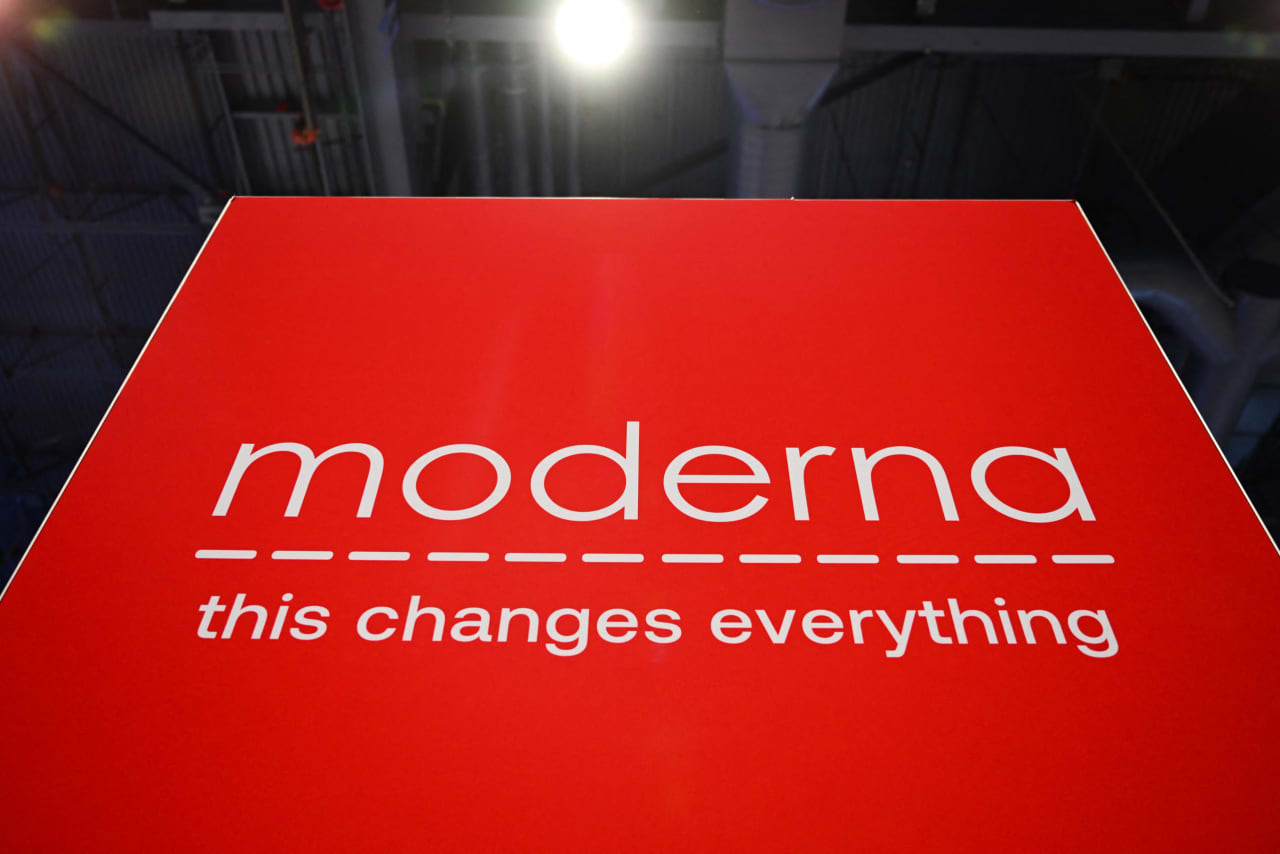
- Brutal bifurcation in winners: Citi told investors to sell Moderna (MRNA) after a 600%-plus run, the same week Advanced Micro Devices (AMD) became the 13th U.S. public company worth $1 trillion or more.
- JPMorgan built a TACO index — yes, "Trump Always Chickens Out" — and it's currently signaling it's time for the president to strike a deal.
Markets Overview
Don't let the flat tape fool you. Beyond the Goldman strategist's "disturbing internals" call, the day's strategist flow skewed defensive: Wilson favors large-capitalization quality if a correction arrives, and Barclays argues systematic funds are effectively holding up the stock market — meaning a year-end rally likely requires oil prices to fall or stabilize, even with the historically strongest quarter approaching.
Valuation alarm bells are compounding. Two of the market's best-known gauges — including the Buffett indicator, which compares total U.S. stock value against GDP — are sending the same message: stocks are expensive. That backdrop follows an 88%-plus three-year run for the S&P 500, with the Dow, S&P, and Nasdaq all vaulting to record highs this year despite tariff-driven inflation and elevated energy prices tied to the Iran conflict.
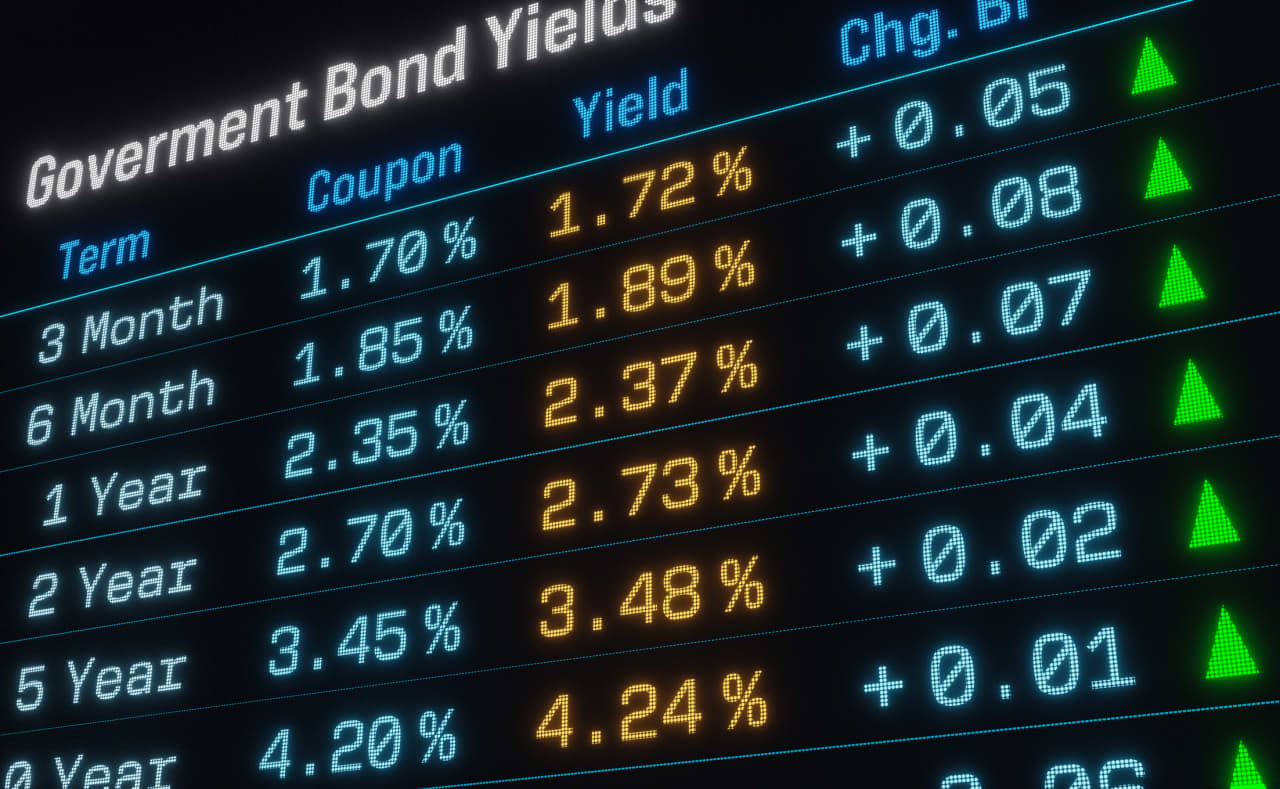
The bond market, meanwhile, is quietly turning converts. Strategist Jim Bianco — a Treasury bear since 2020 — is now bullish, arguing the "big fat cushion" of 5.25% yields offers real value and that investors weaned on artificially low rates should recalibrate to 5% on bonds and 6% on stocks as the realistic regime.
Fed & Economic Data
Warsh's four-month tenure has already remade the Fed's posture, and Motley Fool flags one sentence from the chair as a "dire warning" for investors — though the specifics remain behind the headline. The direction of travel is clear elsewhere: rate-hike odds are climbing, not cut odds, with inflation pressure coming from tariffs and elevated oil prices. Four variables are driving the shift, two directly tied to Trump. For a market priced for continued strength, that's the macro risk that matters most into year-end.
Earnings Reports
- FactSet (FDS) beat on both lines: non-GAAP EPS of $4.52 topped estimates by $0.17, with revenue of $634.69 million ahead by $4.84 million.
- Joby (JOBY) and Archer (ACHR) are each burning roughly $200 million a quarter as they chase certification — the question, per Motley Fool, is which one runs out of cash first.
- Target (TGT) earned rare praise for accelerating revenue growth despite consumers with less disposable income.
- PepsiCo (PEP) extended its dividend streak again — a $10,000 position now generates roughly $461 in annual income off the September 28 close.
Hot Sectors
Semis keep minting trillion-dollar logos. AMD's ascension to the $1 trillion club caps a monster run, and Micron (MU) is up nearly 600% over the past year — though Motley Fool raises the uncomfortable question of whether that's an AI bubble in miniature. TSMC (TSM) is reportedly scouting a second U.S. site for a chip-making hub, a fresh signal of onshoring momentum. The valuation split is stark: Palantir (PLTR), at a ~$447 billion market cap near $186 a share, is now worth roughly as much as Oracle on less than a tenth of Oracle's revenue.
Space is the new AI trade. SpaceX (SPCX) — public for less than four months — already carries a $1.9 trillion market cap and still trades above its IPO price. Anthropic took a step toward its own listing, leaking S-1 details to Reuters. Rocket Lab (RKLB) sold Kepler a dedicated Neutron flight, though development setbacks have pushed the rocket's first launch to late this year at the earliest.
Stock News
- Citi downgraded Moderna to sell, arguing revenue and profit forecasts can't justify the price after a 600%-plus surge.
- Novo Nordisk (NVO) struck its second licensing deal since its frosty capital-markets day, working to move past a poorly received long-term strategy.
- VeriSign (VRSN) chief D. James Bidzos sold 3,300 shares for $979,000 in a discretionary transaction, per an SEC Form 4.
- Billionaire Israel Englander's Millennium — up 111% over three years — added two AI stocks that have gained 405% and 575% over two years.
- Bloom Energy (BE) rose 16-fold over five years — with essentially all of it in the last two.
Market Analysis
The tension to watch: corporate results have been "exceptionally strong" even as the funding math behind AI capex sours. Watch three threads into October — Warsh's Fed and whether hike odds keep climbing; oil, which Barclays says gates the year-end rally; and the AI revenue reckoning, where Oracle's credit stress and the $4.2 trillion funding gap may force a reckoning Wall Street has been deferring. And keep an eye on the IPO window: if Anthropic follows SpaceX out the door, the supply of AI paper is about to get a lot bigger. Even the prediction markets are leaning in — Bernstein forecasts annual volume above $10 trillion by 2035 on platforms like Kalshi and Polymarket, where you can already bet on the Fed's next move. Given the day's crosscurrents, that might be the most honest pricing mechanism available.