Fed Chair Warsh Pulls the Punchbowl as Big Tech AI Spending Spooks Investors
The major indexes have catapulted to record highs over the last three weeks, pushing the S&P 500 to a price-to-earnings ratio of 27, though the rally is showing signs of fatigue. A sudden sell-off in mega-cap tech and...
Markets Overview
The major indexes have catapulted to record highs over the last three weeks, pushing the S&P 500 to a price-to-earnings ratio of 27, though the rally is showing signs of fatigue. A sudden sell-off in mega-cap tech and AI stocks hit the tape today, driven by growing investor anxiety over unchecked capital expenditures. With the VIX likely reflecting this newfound volatility, Morgan Stanley warns that a major market test is underway, and the Federal Reserve will not be riding to the rescue to stabilize equities.
Fed & Economic Data
Newly appointed Federal Reserve Chair Kevin Warsh dropped a bombshell at the latest FOMC meeting, explicitly signaling that the central bank will not come to investors' rescue during market downturns. This hawkish shift coincides with macroeconomic warning signs: consumer sentiment has officially plummeted to a record low, stoking persistent fears of stagflation. On the inflation front, oil prices have started to fall since President Trump signaled an end to the war with Iran, which should ease cost pressures for consumers and companies alike.
Earnings Reports
Fervo Energy delivered a disastrous quarterly report, posting a GAAP loss of $3.72 per share—missing estimates by a massive $3.62—and generating a mere $0.06 million in revenue, missing targets by $0.28 million. Shifting to healthcare, Eli Lilly (LLY) remains a fundamental powerhouse, hovering around a $1 trillion market cap and boasting a 400% return over the last five years, fueled heavily by its GLP-1 obesity drug windfall. Meanwhile, Teva Pharmaceuticals (TEVA) continues its impressive turnaround, with its stock up over 10% year-to-date and 95% over the past year as it successfully transitions into a developer of innovative, high-margin drugs.
Hot Sectors
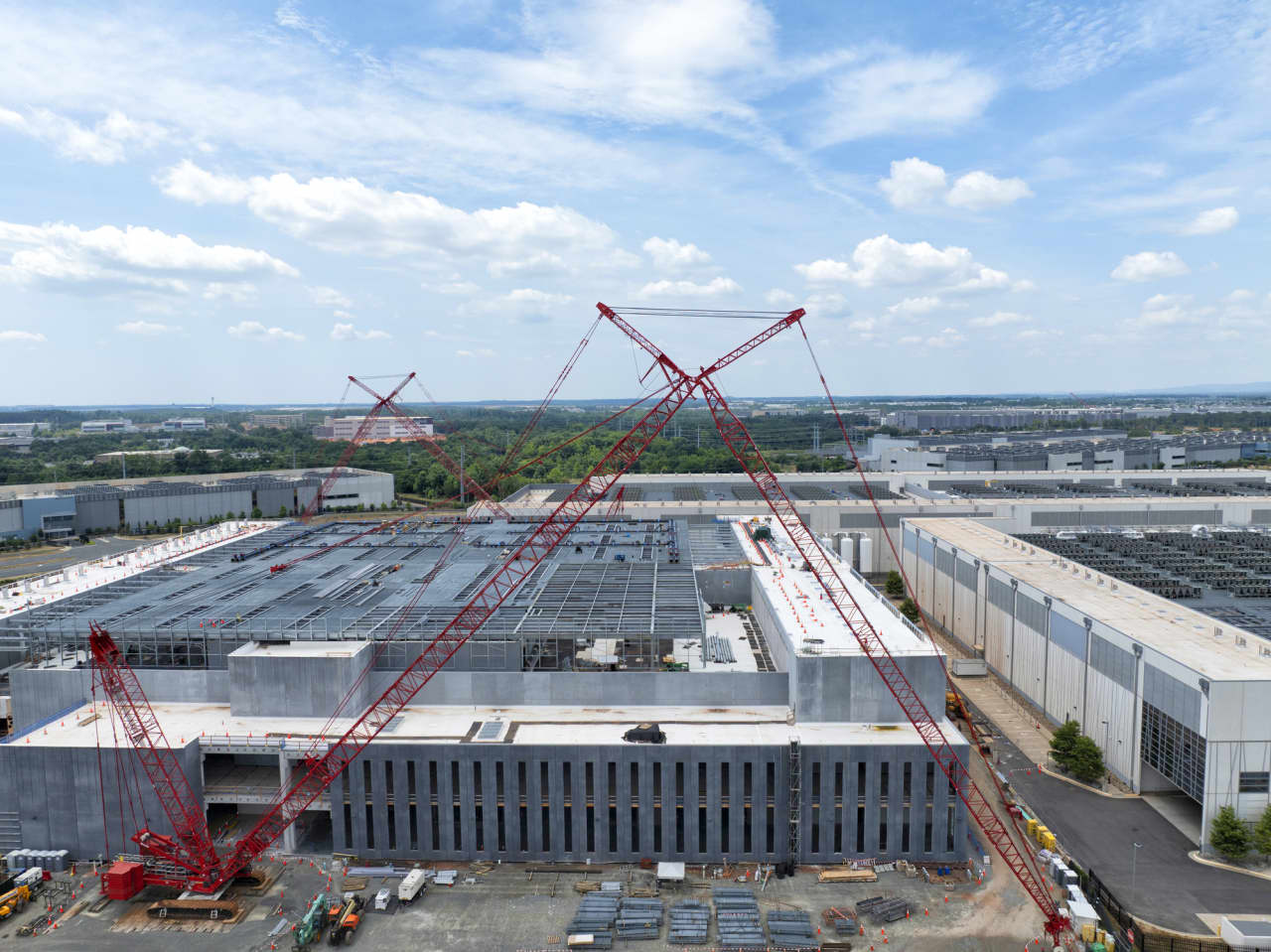
Artificial intelligence and semiconductor stocks tumbled today as hyperscaler spending anxieties rippled through the market. Leadership at big tech companies is reportedly willing to spend virtually any amount of money on AI, a strategy that is starting to spook investors and triggered a broad sell-off in names like Amazon (AMZN), Microsoft (MSFT), and Meta (META). In contrast, the biotech sector remains on fire, with the SPDR S&P Biotech ETF (XBI) crushing broader equities with a 61% gain over the trailing 12 months.
Stock News
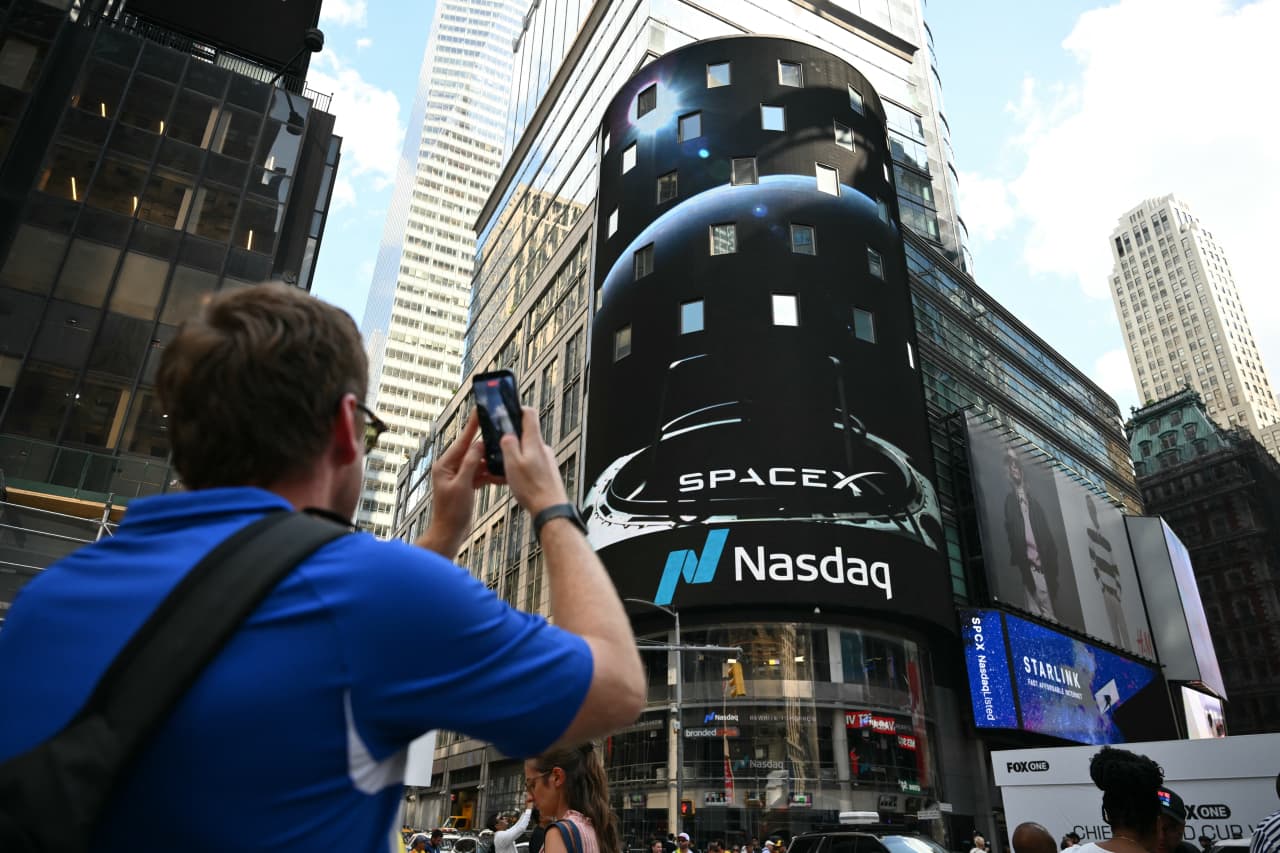
Shares of Alphabet (GOOG) fell roughly 6% today following the abrupt departure of two top AI researchers, prompting some investors to dollar-cost average into the dip. The SpaceX (SPCX) IPO continues to dominate trading floors; after pricing at $135 per share and raising $85 billion just weeks ago, the stock has rallied to become the world's sixth-most valuable public company, though rumors of an imminent Tesla (TSLA) merger are now swirling. In the private markets, Apollo’s flagship $15 billion private credit fund met less than 30% of Q2 redemption requests, signaling potential liquidity constraints in the opaque private credit space. Across the pond, U.K. Prime Minister Keir Starmer announced his resignation, a move analysts expect will push long-term U.K. borrowing costs higher.
Market Analysis
The core tension in today's market is the clash between stretched valuations and a newly hawkish Federal Reserve. With the S&P 500 trading at a CAPE ratio that is historically expensive, Morgan Stanley's warning that the "Fed put" is dead under Chair Warsh suggests the market's downside risk is materially higher than it has been in years. Going forward, sophisticated retail investors should watch hyperscaler capex guidance closely, as the AI spending superscycle will dictate whether the recent tech correction is a healthy consolidation or the start of a broader rotation. Additionally, keeping an eye on liquidity metrics—highlighted by the Apollo private credit redemption bottleneck—will be critical for assessing hidden systemic stress.