SpaceX Slides From Historic Highs as New Fed Chair Warsh Promises to "Listen to Markets"
SpaceX (SPCX) is digesting its post-IPO reality after completing the largest initial public offering in history. After going public on June 12 at $135 per share, the stock slid roughly 5% on Wednesday to record its fi...
Markets Overview
SpaceX (SPCX) is digesting its post-IPO reality after completing the largest initial public offering in history. After going public on June 12 at $135 per share, the stock slid roughly 5% on Wednesday to record its first down day, following an 19% surge on its debut. The company ultimately raised nearly $86 billion after underwriter allotments, and while Nasdaq is fast-tracking SPCX into the Nasdaq 100, the S&P 500 has declined to do so.
The broader market remains remarkably resilient, maintaining a historic bull run despite geopolitical frictions and macroeconomic headwinds. Since April, the S&P 500 (SNPINDEX: ^GSPC) and Nasdaq Composite (NASDAQINDEX: ^IXIC) have climbed 15% and 22%, respectively, recovering from a 9% drop in March triggered by military action in Iran.
Earnings Reports
Kroger (KR) reported first-quarter net sales that beat Wall Street estimates, but the stock's momentum was checked by soft guidance. Management's full-year 2026 EPS guidance trailed consensus expectations, tempering the top-line optimism.
Accenture (ACN) posted mixed segment performance in its latest earnings. Revenue was boosted by strength in its communications, media, and tech (CMT) divisions, though growth in its financial services segment visibly decelerated.
Fed & Economic Data
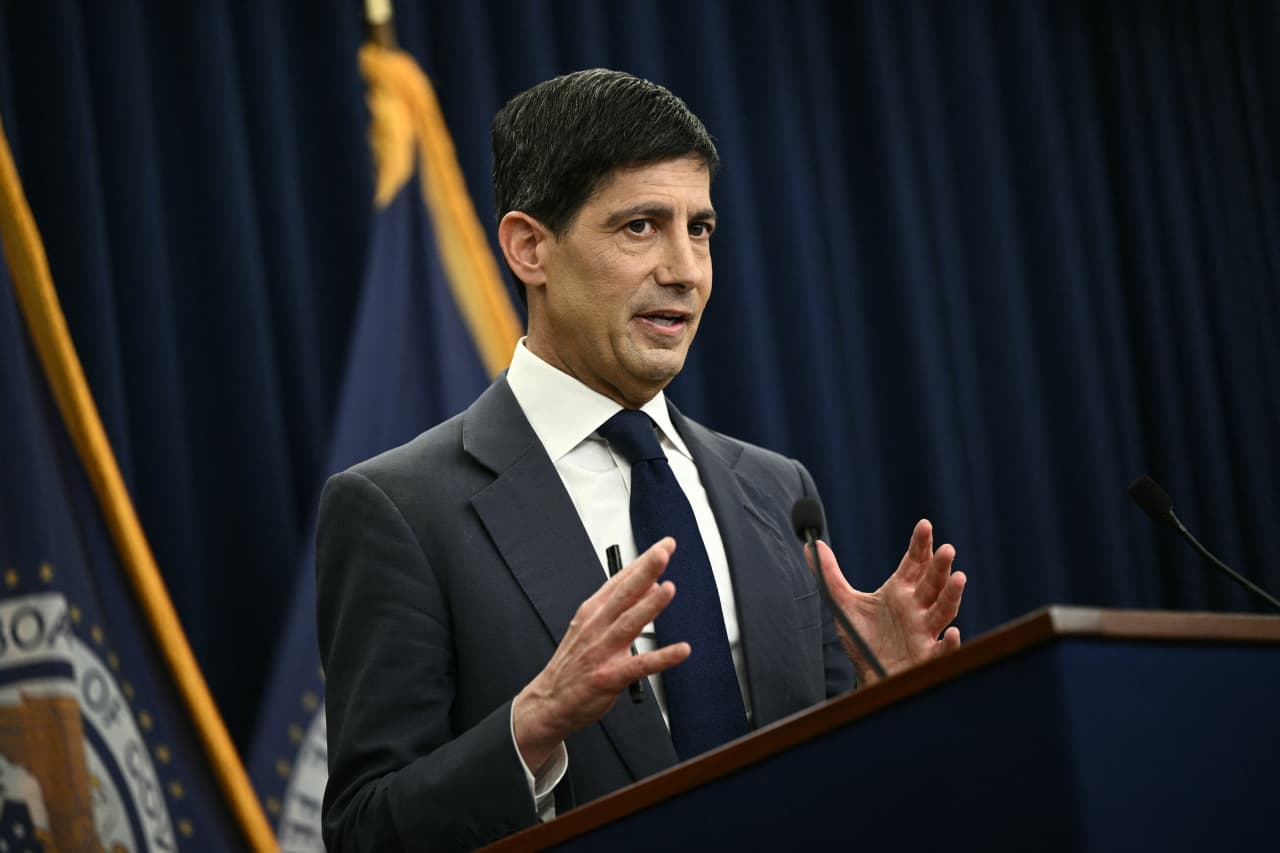
All eyes are on new Fed Chair Kevin Warsh as he oversees his first major FOMC meeting, taking the reins from Jerome Powell. Warsh shook Wall Street by stating he wants to "listen to the signal from markets more," though strategists at Morgan Stanley warn that markets may eventually regret being put in charge.
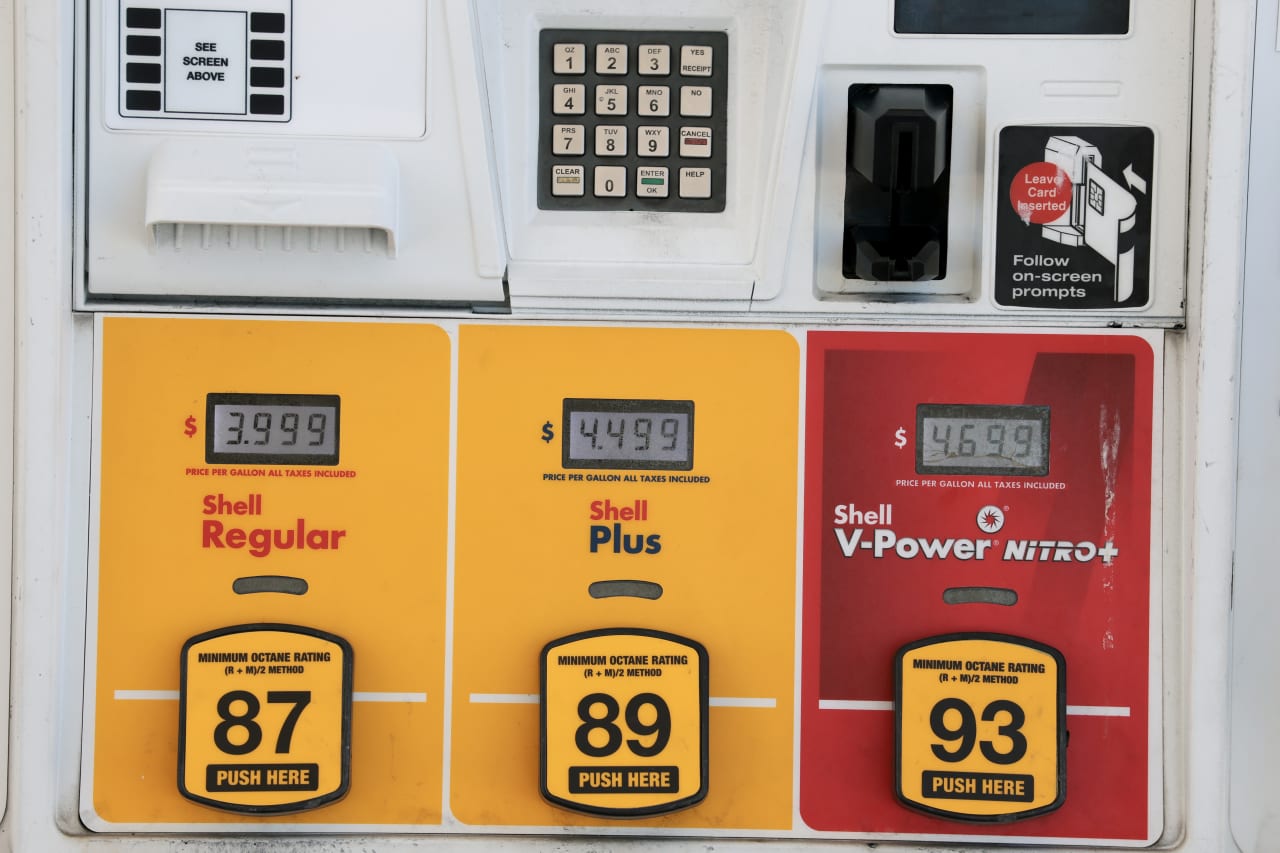
Inflation remains the central bank's primary challenge rather than employment, according to Citi Wealth. Geopolitical inflationary pressures may soon ease, however, as a potential peace deal between the U.S. and Iran could reopen the Strait of Hormuz and pull back elevated oil prices.
Internationally, the Bank of England voted to hold its benchmark interest rate steady at 3.75%, matching broad market expectations.
Hot Sectors
Semiconductors are commanding global attention after Apple (AAPL) CEO Tim Cook announced "unavoidable" price hikes to cover rising microchip costs. Hours later, semiconductor producers pushed emerging market indices in South Korea and Taiwan to record highs.
The AI memory race is also accelerating. SK hynix has shipped samples of its 12-layer HBM4E to major customers, directly competing with Samsung's recent moves. Samsung is simultaneously pushing toward unmanned, lights-out chip manufacturing by opening its guarded fab data to 60 suppliers via a new sharing ecosystem.
In the electric vehicle space, China's BYD (BYDDY) continues to top Tesla (TSLA) in global momentum. However, Tesla is aggressively pivoting, raising its full-year capital expenditure estimate to $25 billion from $20 billion to fund multiyear AI and robotics initiatives.
Stock News
Target (TGT) just approved its 55th consecutive annual dividend increase, maintaining its status as a Dividend King. The 1.8% hike is the smallest in 55 years, bringing the payout to $4.64 per share, reflecting a cautious but committed approach to capital returns.
Salesforce (CRM) is down a third year-to-date on AI disruption fears, but management is aggressively counterattacking. The enterprise software giant just spent $3.6 billion acquiring an AI governance company to secure the enterprise AI control layer.
Lionsgate Studios (LION) drew outsized investor interest, surging on heavy volume as market players bet on the company's standalone potential against legacy Hollywood peers.
Market Analysis
The market is currently navigating a fascinating divergence between mega-cap technological ambition and sticky macroeconomic realities. While traditional consumer software names like Salesforce face existential AI questions—and companies like Etsy face margin compression from platforms like Amazon and Temu—investors are pouring capital into physical AI infrastructure and next-gen manufacturing.
Moving forward into the second half of the year, the primary catalyst to watch is the evolving tone of the Warsh-led Federal Reserve. If the Fed attempts to lean on market pricing to navigate resurgent inflation, volatility is likely to spike, making capital allocation into inflation-proof growth sectors critical.