Stocks Slip as Iran Ceasefire Extension Dashes Peace Hopes; UnitedHealth Surges on Blowout Quarter
Stocks fell for the second straight session Tuesday, with all three major indexes dropping roughly 0.6% after President Trump extended the Iran ceasefire without scheduling the peace negotiations investors had been ba...
Markets Overview
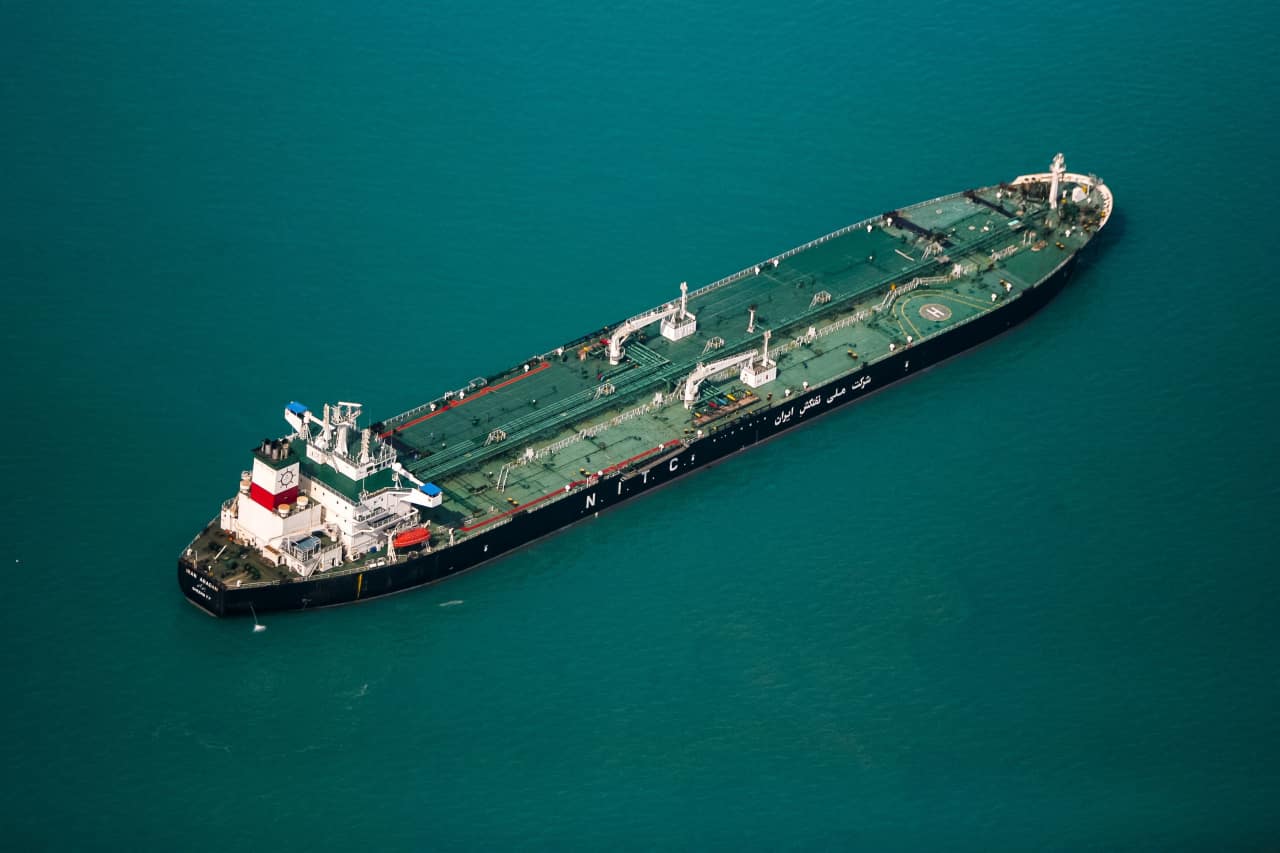
Stocks fell for the second straight session Tuesday, with all three major indexes dropping roughly 0.6% after President Trump extended the Iran ceasefire without scheduling the peace negotiations investors had been banking on. The S&P 500 remains about 9% below its March 30 record high, having recovered from a sharp selloff driven by the Iran conflict and the oil shock that accompanied it. Brent crude sits near $95/barrel — a $35 premium to where it started the year — keeping pressure on consumer and corporate margins alike.
Bank of America analysts flagged that the U.S. equity market is "progressing toward a bubble," identifying pockets of froth even as geopolitical risk lingers. Meanwhile, JPMorgan revised its year-end S&P 500 target upward, floating a "blue sky" scenario of 8,000 driven by earnings optimism. The tension between bubble warnings and bullish targets underscores a market caught between strong fundamentals and elevated macro risk.
Earnings Reports
UnitedHealth Group (UNH) stole the earnings spotlight, surging after posting a profit beat by the widest margin in five years. The healthcare giant raised full-year earnings guidance on unexpectedly strong Q1 results, giving the broader market one of its few bright spots on an otherwise red day.
Capital One (COF) missed Wall Street consensus as provisions for credit losses jumped 72% year-over-year, a warning sign for consumer credit quality as higher energy costs and war-related uncertainty squeeze household budgets. AT&T (T) delivered a more encouraging report, with earnings showing its aggressive fiber buildout is paying off as more customers bundle internet and wireless services.
Healthcare Services (HCSG) beat on both lines — GAAP EPS of $0.37 topped estimates by $0.15 on revenue of $462.8M. Among regional banks, Old National Bancorp (ONB) edged EPS by a penny but missed on revenue, while First BanCorp (FBR) beat EPS by $0.06 with in-line revenue. Northrop Grumman (NOC) entered the session as the most oversold industrial stock heading into its Q1 report.
Fed & Economic Data
No fresh Fed action today, but the macro backdrop remains dominated by the Iran-driven energy shock. Oil prices have rewritten the inflation calculus — UBS compared the current supply disruption to the first Gulf War, projecting mid-$80s as a best-case scenario. Retailers with pricing power, like those highlighted by analysts this week, are better positioned to navigate persistent cost pressures, while companies without it face margin compression.
The fixed-income debate continues to evolve: with rates still elevated from the 2022 reset cycle, some strategists argue dividend-focused equity ETFs like Schwab U.S. Dividend Equity (SCHD) offer retirees better risk-adjusted income than bonds in this volatile environment.
Hot Sectors
Defense remains a clear winner. Three under-the-radar contractors — Textron (TXT), Huntington Ingalls (HII), and others — are quietly building multiyear backlogs that analysts say will outlast the immediate Iran conflict. The sector's momentum extends beyond the usual mega-caps.
Energy dividends are having a moment. With the world paying a war premium at the pump, energy stocks are passing elevated cash flows through to shareholders. Data centers continue to attract crossover interest — construction firm TopBuild (BLD) soared over 19% on acquisition news, while analysts are pitching infrastructure plays like Perma-Pipe International (PPIH) as a dual beneficiary of post-war rebuilding and AI data center buildouts.
Legacy software is struggling. Atlassian (TEAM) stumbled as AI disruption fears continue to crush sentiment across the traditional SaaS space, a theme that has dogged the sector throughout 2026.
Stock News
TopBuild (BLD) surged more than 19% after announcing a big-ticket acquisition deal, drawing eager buyers into the building products company. Yelp (YELP) gained over 3% on a product lineup update during an otherwise quiet session. POET Technologies (POET) jumped 18.3% after management issued a detailed rebuttal to a short-seller report and clarified its PFIC status.
SpaceX moved closer to what may be the most anticipated IPO in market history, having confidentially filed with the SEC. The offering is generating intense speculation about valuation and retail access. On the crypto front, Bitcoin (BTC) has slid to roughly $74,000 from above $87,000, caught in the same risk-off undertow that has rattled equities.
Alaska Air (ALK) delivered a sobering data point: it expects to spend more on fuel this quarter alone — roughly $600 million extra — than it earned in the prior two years combined. UK retailer Primark's parent Associated British Foods warned of Iran war impacts on its outlook, reporting an 18% decline in operating profit.
Market Analysis
Three themes are defining this market. First, the Iran conflict remains the dominant variable — the ceasefire extension without peace talks signals a longer, costlier engagement that keeps oil elevated and consumer confidence fragile. Second, earnings season is delivering a split verdict: healthcare and fiber/telecom are executing, while consumer credit (Capital One's 72% provision jump) flashes yellow. Third, the bubble-versus-breakout debate is intensifying, with BofA and JPMorgan staking out opposite ends of the spectrum.
Watch this week: More Q1 earnings will test whether Capital One's credit deterioration is idiosyncratic or systemic. Any developments on Iran peace negotiations — or lack thereof — will set the tone. And with oil near $95, every Fed speaker's comments on inflation expectations will be parsed for hints about the rate path. The SpaceX IPO timeline could also inject fresh energy into an otherwise cautious tape.