Cease-Fire Hopes Meet Inflation Fears as Wall Street Braces for Bank Earnings
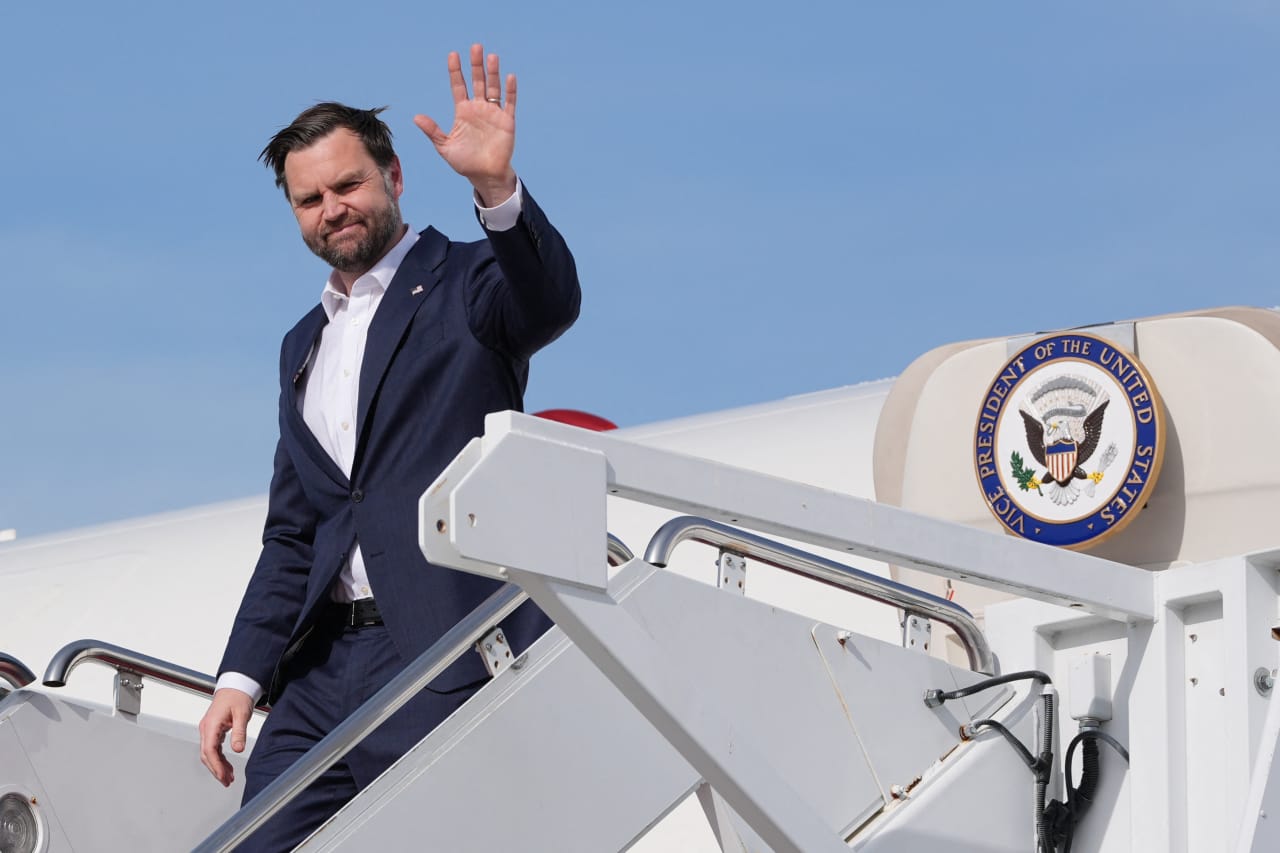
Markets are caught between two powerful crosscurrents: optimism around a potential Iran cease-fire and deepening anxiety over sticky inflation. Stock futures slid after VP Vance left Pakistan talks without a deal, sen...
Markets Overview
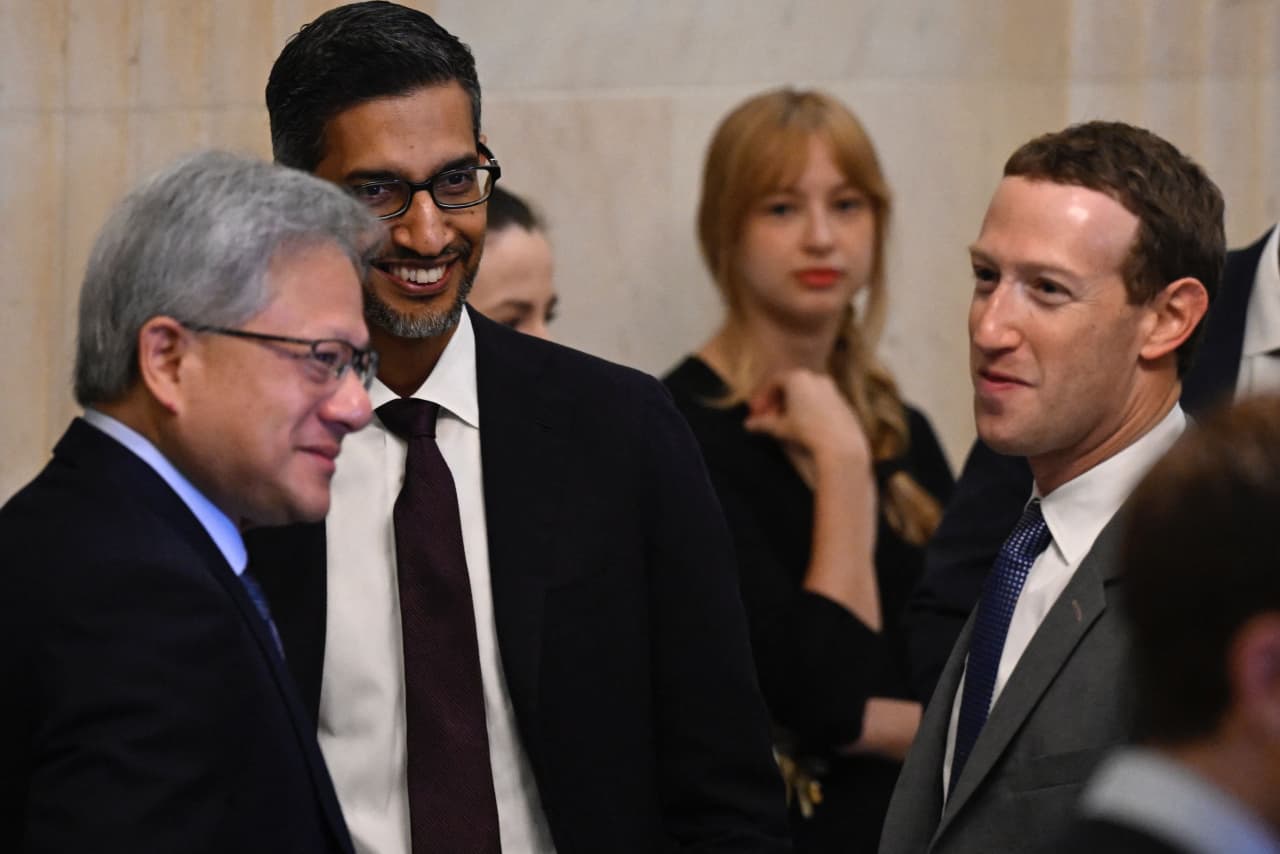
Markets are caught between two powerful crosscurrents: optimism around a potential Iran cease-fire and deepening anxiety over sticky inflation. Stock futures slid after VP Vance left Pakistan talks without a deal, sending oil prices climbing — though earlier in the week, cease-fire hopes had fueled a broad rally. The Nasdaq correction continues to pressure growth names, with Goldman Sachs arguing that "Rule of 10" stocks like Nvidia (NVDA) and Meta (META) — companies trading at roughly 10x earnings growth — are now poised for a comeback as bond yield headwinds potentially ease.
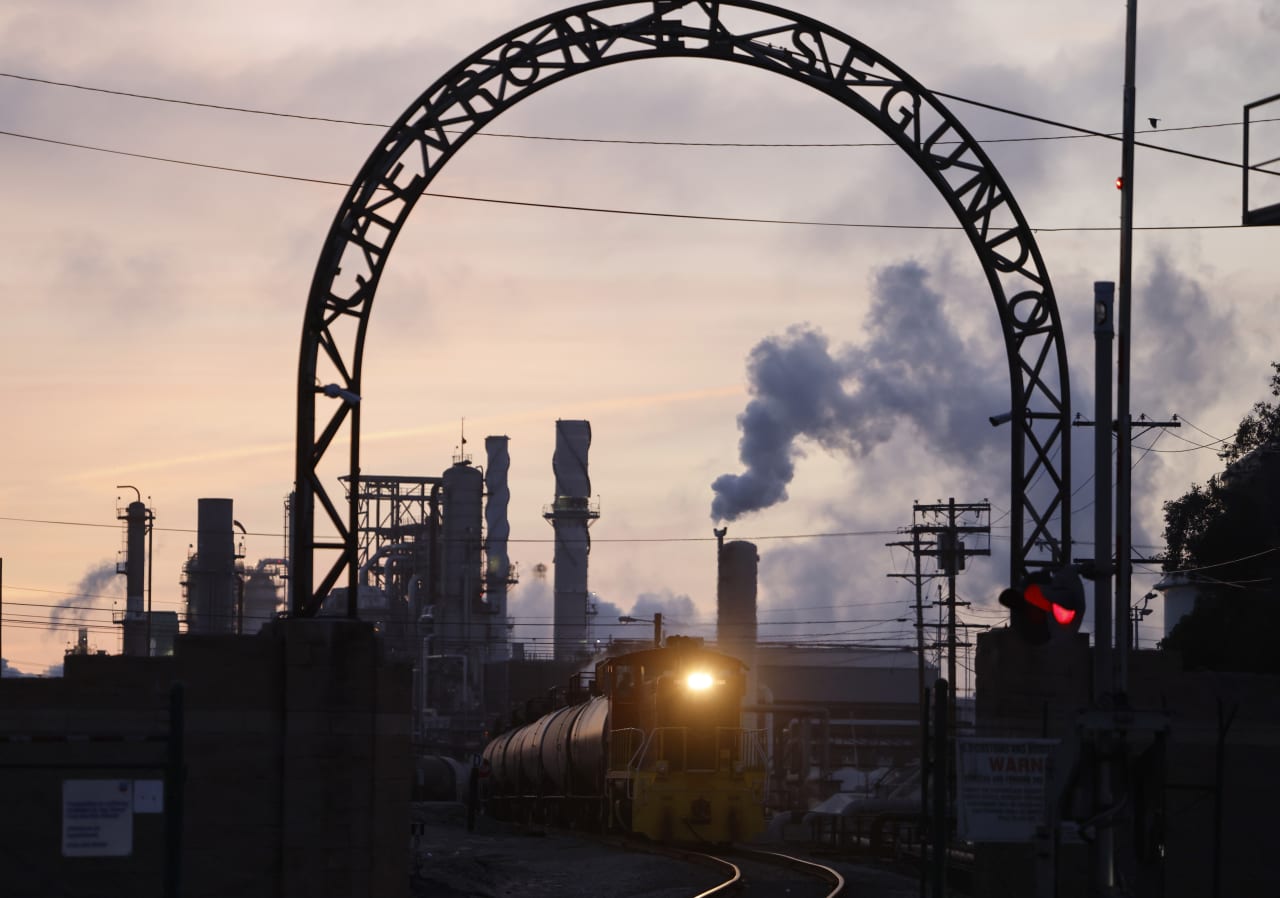
Gas prices and airfares could decline if the Iran cease-fire holds, but MarketWatch cautions drivers shouldn't expect a return to prewar levels anytime soon. The tension between geopolitical de-escalation and persistent inflation is defining the current market tone: risk-on impulses keep getting checked by macro reality.
Earnings Reports
Big banks enter Q1 earnings season on notably shakier ground than the confidence they carried into late 2025. After a strong run-up that pushed many to premium valuations, Wall Street's largest lenders now face a tougher backdrop of consumer weakness, geopolitical uncertainty, and margin pressure. MarketWatch highlights several bank stocks trading at bargain valuations heading into reports, suggesting long-term opportunities for patient investors.
Occidental Petroleum (OXY) earnings on May 6 are being flagged as a potential catalyst, with the stock positioned to benefit from elevated oil prices tied to Middle East uncertainty. Oklo Inc. (OKLO), the nuclear energy play, reports soon with shares already down nearly 40% in 2026 and a market cap under $9 billion — despite chasing a $10 billion-plus addressable market. Alphabet (GOOGL) is drawing fresh attention after expanding its partnership with Anthropic, reinforcing its AI chip ambitions ahead of its next report.
Fed & Economic Data
The inflation picture is deteriorating faster than the Fed wants to admit. The OECD's April 2026 report warns inflation could hit 4.2% this year, well above the Fed's own projections — a grim signal for a Wall Street that thrived during the low-rate era of 2019-2021 and 2023-2025. The S&P 500's (^GSPC) remarkable run now faces its most serious threat as the Fed's April inflation forecast continues to worsen.
Yet there's a contrarian case for rate cuts: real yields suggest a half-point Fed cut may be coming, with the Iran cease-fire potentially providing the "green light" the Fed needs to act. One strategist argues that while Hungary's populist defeat bucked the global trend, the Iran conflict is cementing a new regime of deglobalization, state expansion, and stubborn inflation — a macro backdrop that could persist well beyond any single policy pivot. Recession odds are climbing, with Dollar General (DG) being highlighted as a defensive play that historically attracts more customers during downturns.
Hot Sectors
AI & Semiconductors: Cathie Wood's ARK funds are boosting positions in Palantir (PLTR), Tesla (TSLA), and Robinhood (HOOD) while cutting semiconductor exposure — a notable rotation within the tech complex. The AI sell-off is creating opportunities for long-term stock pickers, though Microsoft (MSFT) is demonstrating real AI monetization right now through its cloud and enterprise products. TSMC remains the consensus "pick-and-shovel" play on the AI boom.
Nuclear Energy: X-Energy has filed a draft registration statement with the SEC for an IPO, joining Oklo (OKLO) in what's becoming a crowded but high-conviction nuclear power theme tied to AI data center demand.
Healthcare: The "great rotation" thesis is gaining traction, with health insurance flagged as a sector due for a comeback given its durable spending profile and historical profitability. Oscar Health (OSCR) is among the names being positioned as a beneficiary.
Crypto & Fintech: Stablecoins are emerging as a major theme, with Treasury Secretary Bessent projecting the market will reach $3 trillion by 2030, up from current levels. Coinbase (COIN) and Robinhood (HOOD) are being traded as leveraged bets on both crypto regulation via the CLARITY Act and a risk-on move from Iran de-escalation, with some traders expecting 30-150% moves over 12 months.
Stock News
Alphabet (GOOGL) expanded its Anthropic partnership, reinforcing its position as a top AI chip company and drawing "must-buy" calls from analysts. Palantir (PLTR) and MercadoLibre (MELI), both long-term market beaters, have pulled back sharply and are being flagged as rebound candidates. CF Industries (CF) dropped nearly 10% as the U.S.-based fertilizer maker navigates the fallout from the Iran conflict, though the dip is attracting value buyers.
Bill Ackman has 39% of Pershing Square's $17.7 billion portfolio concentrated in just three holdings, and his hedge fund recently filed IPO paperwork for a dual offering — a new closed-end Pershing Square fund alongside bringing his existing fund public. Seaport, a neuropsychiatric drug developer, filed for a U.S. IPO. Meanwhile, SpaceX continues to dominate global launch activity, fueling IPO speculation.
International rotation is quietly building: investors are eyeing Japanese tech firms like Fujitsu as the EU explores restrictions on U.S. companies, while South Korea is negotiating a major oil deal with Kazakhstan to diversify away from Middle East crude — a move that could reshape Asian energy supply chains.
Market Analysis
Three themes are competing for control of the narrative. First, the Iran situation remains the single biggest swing factor — a durable cease-fire would ease oil prices, reduce inflation expectations, and give the Fed room to cut, potentially unlocking a powerful risk-on rally. Vance's failed Pakistan talks suggest that path isn't guaranteed. Second, inflation is proving stickier than consensus expected, with the OECD's 4.2% forecast creating a ceiling on how dovish the Fed can credibly become. Third, the AI trade is bifurcating — momentum names are under pressure, but companies demonstrating actual revenue (Microsoft, Amazon's custom chip push challenging Nvidia) are separating from the pack.
This week: All eyes on Q1 bank earnings for the first real read on credit quality, consumer health, and capital markets activity in this new macro regime. Watch oil prices closely — they're the transmission mechanism connecting geopolitics to inflation to Fed policy to your portfolio. Bitcoin holders, notably, report sleeping better at night as a hedge against worst-case scenarios — take from that what you will.