Futures Slide as Iran Uncertainty Lingers; Gold Breaks Safe-Haven Playbook
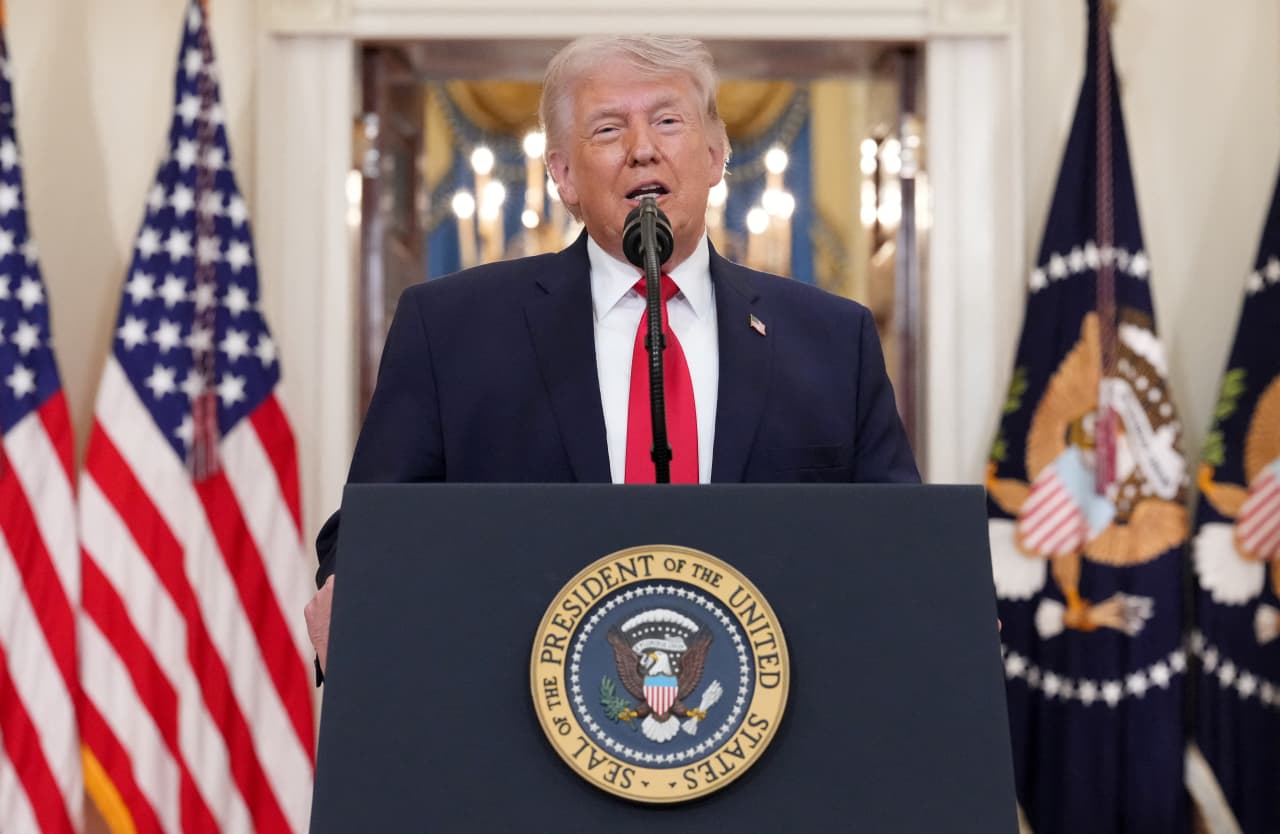
Stock futures sank Wednesday night after President Trump said the U.S. is on track to complete Iran objectives "very shortly" — but offered no concrete de-escalation signals, leaving investors grasping for clarity. Ma...
Markets Overview
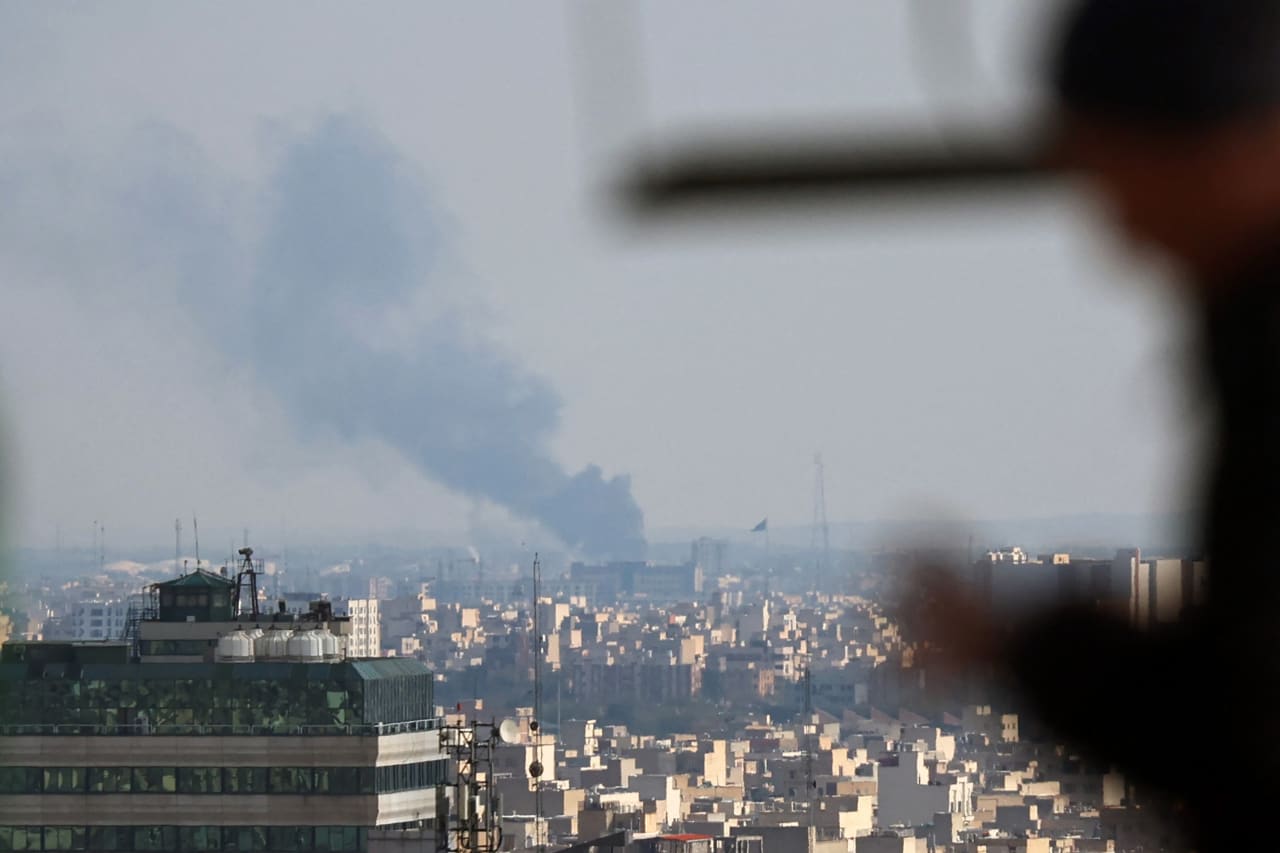
Stock futures sank Wednesday night after President Trump said the U.S. is on track to complete Iran objectives "very shortly" — but offered no concrete de-escalation signals, leaving investors grasping for clarity. Markets had ripped higher earlier in the session on thin optimism that the conflict was winding down, a move many traders called baseless. "We have received nothing but negative news today from the White House regarding the Iran war," one widely-upvoted Reddit post noted, capturing the confusion around the rally.
Gold dropped sharply alongside equities, breaking from its traditional safe-haven role. The metal has increasingly tracked broader market sentiment rather than acting as a crisis hedge — a pattern that's unnerving portfolio managers who rely on gold for diversification. Oil continued grinding higher across WTI, Brent, and gasoline futures, with Middle Eastern floating storage surging by 38 million barrels week-over-week as stranded Persian Gulf cargoes pile up.
Palantir (PLTR) sits at $148, down 17% year-to-date as the AI trade continues to unwind. The S&P 500 closed out a rocky Q1, and historical evidence is being marshaled by bulls arguing for a Q2 snapback — though the geopolitical backdrop makes pattern-matching treacherous.
Earnings Reports
Interactive Brokers (IBKR) ticked higher after reporting robust March trading volumes, benefiting from the surge in volatility across U.S. capital markets. Active traders continue to flock to the platform as whipsaw sessions become the norm.
Lindsay (LNN) badly missed on both lines — GAAP EPS of $1.15 fell $0.54 short of estimates, while revenue of $157.7M missed by $13.69M. The agricultural infrastructure company's stumble reflects ongoing headwinds in farm equipment spending.
Marvell Technology (MRVL) ripped roughly 8% mid-session after Nvidia disclosed a $2B investment and partnership around NVLink and custom AI chips, sending volume well above its usual pace. The deal positions Marvell as a key node in Nvidia's expanding ecosystem.
Conagra (CAG) continues to flash an eye-catching 8.9% dividend yield, but the number tells a cautionary tale — the yield is elevated precisely because the business fundamentals are deteriorating. Income investors may want to look at General Mills instead for a more sustainable payout.
Fed & Economic Data
Stagflation fears are dominating the macro conversation. Google searches for "stagflation 2026" have exploded more than 650% over the past three months as investors wrestle with stagnant growth and persistent inflation simultaneously. The hiring picture is adding to the anxiety — new data shows hiring has fallen to levels not seen since COVID-era shutdowns, according to Navy Federal Credit Union's chief economist.
Oil's relentless climb is emerging as the defining macro risk. With the Strait of Hormuz situation unresolved and the White House signaling indifference about fully reopening it, energy costs threaten to act as a persistent tax on consumers and corporate margins alike. The $3,000 capital loss carryforward limit — unchanged since 1978 — is drawing renewed attention from retail investors sitting on steep losses, with calls to adjust it for inflation gaining traction.
Hot Sectors
Energy remains the clear sector leader as geopolitical risk premium stays elevated. Chevron and Occidental Petroleum (OXY) are benefiting from Brent crude near multi-year highs, with Buffett recently stating Berkshire might "own this stock forever" regarding OXY. Oil in Middle Eastern floating storage jumped from 12.7M to 50.9M barrels in a single week.
Defensive healthcare is drawing interest as a volatility hedge. Johnson & Johnson (JNJ) has barely flinched during recent sell-offs, making it a go-to for investors seeking shelter. Eli Lilly (LLY) is being highlighted for growth beyond its weight-loss blockbuster franchise.
AI/Software remains under heavy pressure. ServiceNow (NOW) is down nearly 50% from last summer's highs as the market prices in the existential risk that AI could commoditize the very workflow automation it sells. The broader AI sell-off is being called overdone by some analysts, with strong underlying revenue growth at odds with compressed multiples.
Rare earths are in focus as USA Rare Earth (USAR) reported its first-ever revenue at $1.64M in Q4 2025, a milestone for a company trying to build domestic supply chain independence.
Stock News
SpaceX IPO chatter is intensifying. Reports indicate the company plans to raise between $40B and $75B+ in what would be the largest IPO ever, with a June timeline emerging. Tesla's retail investor base is expected to pile in, creating a potential demand wave that dwarfs typical debut dynamics.
Intel (INTC) popped after announcing a deal to reacquire a key manufacturing site — specifically buying back a 49% stake in a joint venture it had sold in 2024. The move signals renewed commitment to its foundry ambitions.
Nike (NKE) lost 15% in March alone, dragged down by a disappointing Q3 earnings report layered on top of an already-slumping stock amid the broader market downturn.
Deutsche Bank added Delta (DAL), Starbucks (SBUX), and CVS (CVS) to its market-beating "Fresh Money" list, seeing 12-month opportunity in beaten-down consumer names. Scotiabank received approval for a new buyback of up to 15M shares.
Warren Buffett disclosed he sold Apple (AAPL) too soon and would buy more — but not in this market. The comment captures the bull-bear tension perfectly: great companies at uncomfortable prices in an uncertain world.
Market Analysis
The dominant theme remains geopolitical risk without a clear exit ramp. The Iran conflict is simultaneously driving oil higher, undermining consumer confidence, and creating the kind of binary outcome risk that makes institutional investors sit on their hands. Markets are whipsawing on headlines rather than fundamentals — yesterday's 3.6% Nasdaq surge came on vague Trump comments about the war ending, only for futures to reverse overnight.
What to watch: Any concrete Strait of Hormuz developments will move oil and equities in tandem. The disconnect between AI companies' actual revenue growth and their cratering stock prices is creating a potential setup for sharp mean-reversion — but timing depends on macro stabilization. The SpaceX IPO timeline bears monitoring as a potential liquidity event that could pull capital from existing tech holdings. And with hiring at COVID-era lows, Friday's jobs data (if scheduled) could either confirm or challenge the stagflation narrative that's gripping sentiment.