Fed Holds Steady as Oil Tops $100 and Wall Street Abandons Rate Cut Hopes
Futures pointed higher heading into Wednesday's session, with Dow, S&P 500, and Nasdaq all rising ahead of the Fed decision — though the rally felt more like positioning than conviction. The S&P 500 is down 3.1% year-...
Markets Overview
Futures pointed higher heading into Wednesday's session, with Dow, S&P 500, and Nasdaq all rising ahead of the Fed decision — though the rally felt more like positioning than conviction. The S&P 500 is down 3.1% year-to-date as the Iran conflict continues to weigh on sentiment, with strategists warning of a potential 20% drawdown in equities. MarketWatch notes that outside of oil, markets are experiencing "very normal white swan types of moves" — stocks, rates, credit, gold, and the dollar have been remarkably contained despite geopolitical chaos.
Consumer caution is adding another layer of concern: Chinese households are "shadow saving" — quietly stockpiling cash rather than spending — a trend that could short-circuit the global recovery if it spreads. Meanwhile, the question on every trading desk is whether bearish consensus actually prevents a crash, with retail and institutional investors alike heavily hedged heading into the Fed.
Earnings Reports
Macy's (M) delivered a Q4 beat on both earnings and revenue, with guidance coming in above expectations as Bloomingdale's posted record holiday sales — a bright spot for brick-and-mortar retail. Micron (MU) reports soon with options pricing in roughly an 8% move; the skew leans bullish, suggesting traders expect the memory chipmaker to deliver.
Nvidia (NVDA) disclosed it's now receiving orders from China, potentially the catalyst to break the stock out of a six-month trading range despite robust earnings and a strong order book. BYD (BYDDY) heads into its quarterly and full-year report with shares down over 17% in the past 12 months, setting up a potential re-rating if results surprise. On the institutional side, billionaire Stanley Druckenmiller made another notable AI portfolio move, while Fort Baker Capital dumped its entire TEGNA (TGNA) stake — 1.68 million shares worth $34.3 million.
Fed & Economic Data
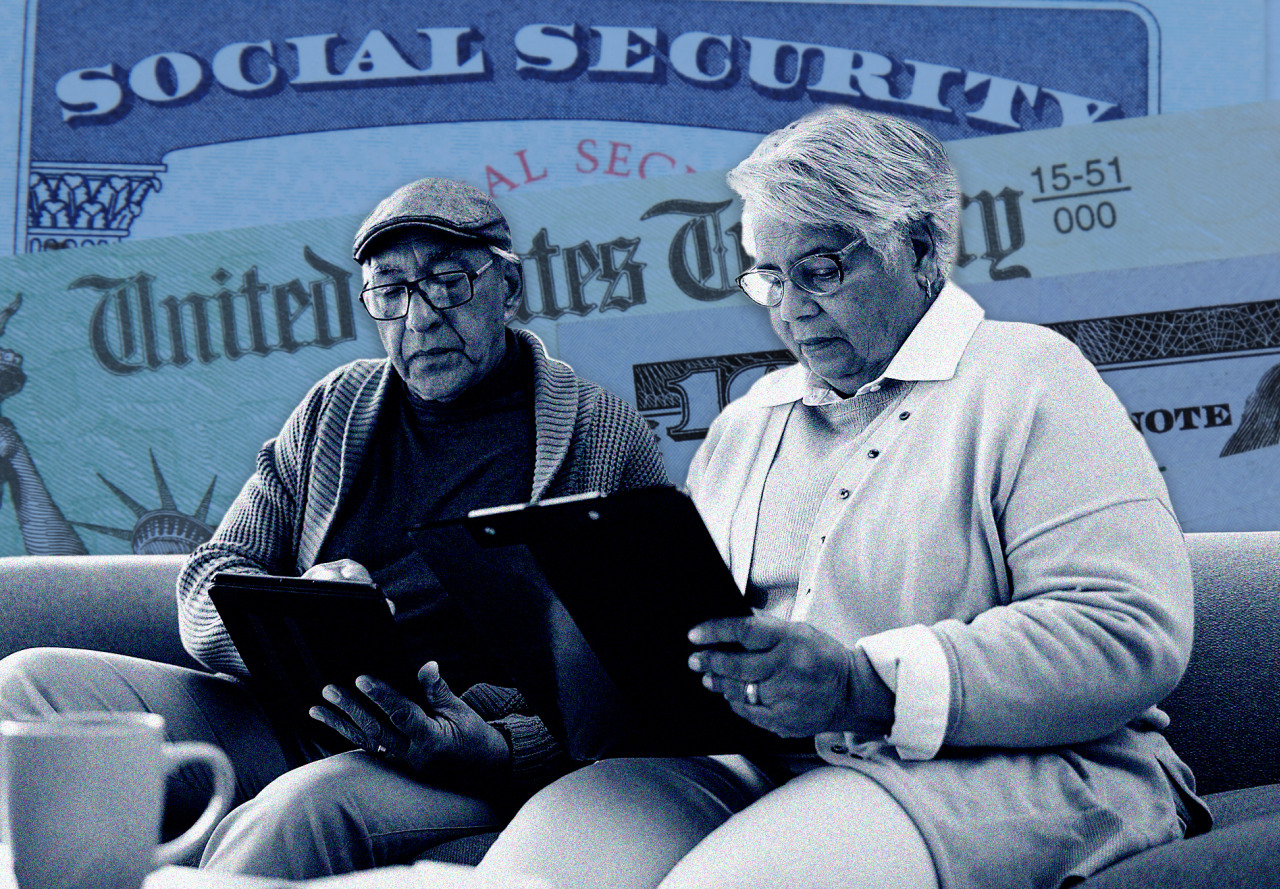
The FOMC wraps up its March 18 meeting today, and Wall Street has completely given up on rate cuts. Oil above $100 a barrel — driven by the escalating Iran conflict — has pushed fuel prices up over 20% in a single month, creating an inflation shock that could push the 2027 Social Security COLA above 3.5%. Euro area inflation ticked up to 1.9% in February, staying just below the ECB's 2% target but trending in the wrong direction.
Central banks globally face what analysts are calling a policy trap: the Iran war is driving an inflation shock at precisely the moment growth momentum is fading. Rate cuts to support growth risk pouring fuel on inflation; holding steady risks choking an already fragile economy. Expect Powell's press conference to walk this tightrope carefully — the dot plot and any shift in the "higher for longer" narrative will be the main event.
Hot Sectors
Energy remains the undisputed leader. Petrobras (PBR) holders are sitting on 50%+ gains as oil's surge rewarded anyone with upstream exposure — the stock went from a dividend play to a momentum trade almost overnight. Exxon (XOM) and Occidental (OXY) have ripped higher on the Strait of Hormuz disruption, with one Reddit trader noting the speed of the energy rotation caught nearly everyone off guard.
Defense stocks are positioned to extend gains if the Iran conflict drags on, with analysts highlighting the sector's structural tailwind from escalating Middle East tensions. Mining stocks, counterintuitively, have declined since the Feb. 28 U.S.-Israel strike on Iran — gold's safe-haven bid has been muted as the dollar holds firm. AI infrastructure faces headwinds as Bernstein warns CoreWeave's business could be cannibalized by Big Tech building its own data-center capacity, while Nebius (NBIS) fell after announcing a debt offering to fund its infrastructure buildout.
China's Hua Hong Semiconductor advancing to 7nm production amid U.S. export restrictions signals the chip war is far from over — and the self-sufficiency push could reshape global semiconductor supply chains.
Stock News
Meta (META) rose as much as 3% after announcing a cloud-computing deal with Nebius worth up to $27 billion, dusting off the classic playbook of spending big on infrastructure. The stock remains a buy-the-dip candidate for many analysts despite the delay of its Avocado AI model. American Express (AXP) has pulled back to around $300 from a 52-week high above $387, with double-digit dividend and earnings growth making the dip look attractive to income investors.
Amazon is escalating its logistics war with Walmart by expanding one-hour delivery across U.S. cities, putting further pressure on retail margins industry-wide. Oracle (ORCL) continues its transformation story — aggressive Oracle Cloud Infrastructure investments are driving what the company calls a "halo effect" across its business. Bristol-Myers Squibb (BMY) is being pitched as the boring dividend stock to hold through any crash, which in this environment might be exactly what portfolios need.
Market Analysis
Three things to watch: (1) Powell's tone at 2:30 PM — any hint of flexibility on rates in either direction will move markets sharply. The dot plot is the main event; if median 2026 projections shift hawkish, expect the sell-off to deepen. (2) Oil's next move — Brent above $100 is already priced in, but any escalation around the Strait of Hormuz or further supply disruption could send crude significantly higher and force the Fed's hand. (3) The bearish consensus paradox — when everyone expects a crash and is hedged for it, the pain trade is often sideways or up. But that only holds until something breaks.
The broader narrative is a market caught between geopolitical risk premium and still-decent corporate earnings. The rotation into energy and defense at the expense of growth and tech is the defining trade of 2026 so far. If you're not positioned for sustained higher oil prices and a Fed on hold, tomorrow's statement could be an expensive wake-up call.