Oil Fears Grip Markets as Hormuz Crisis Fuels Recession Warnings
The dominant story on Wall Street remains the Strait of Hormuz standoff and its ripple effects across every asset class. Oil jumped over 2% on the day as doubts lingered over a U.S.-backed plan to protect shipping thr...
Daily Finance Digest — March 17, 2026
Markets Overview
The dominant story on Wall Street remains the Strait of Hormuz standoff and its ripple effects across every asset class. Oil jumped over 2% on the day as doubts lingered over a U.S.-backed plan to protect shipping through the strait, with WTI crude holding above $100. Despite the geopolitical overhang, U.S. equities showed surprising resilience — Wall Street analysts have continued raising earnings forecasts, providing a counterweight to macro fears, according to Yardeni Research. SPY saw a sharp intraday dip before bouncing, catching short-term traders off guard on both sides. Institutional filings revealed notable de-risking: NewSquare Capital dumped roughly $12 million in the Invesco DWA Momentum ETF (PDP) and $8 million from a Nasdaq-100 tech ETF (QTEC), signaling cooling appetite for high-beta names.
Earnings Reports
Earnings season is winding down but a few names reported. Coda Octopus beat estimates with GAAP EPS of $0.08, topping expectations by $0.02, on revenue of $6.71 million. Vireo Growth posted a revenue beat of $104.51 million, exceeding consensus by $10.31 million, though EPS came in at -$0.02. Oracle (ORCL) remains in focus after management's stunning cloud infrastructure guidance — the company is targeting 700% revenue growth in its cloud infrastructure division by 2030, underpinned by a $110 billion spending catalyst that analysts are increasingly calling achievable. Telesat reported a GAAP loss of C$8.48 per share on revenue of C$94.04 million.
Fed & Economic Data
Moody's issued a pointed warning: a recession will be hard to avoid if oil prices stay elevated for even a few more weeks, even with the U.S. producing near-record levels of crude domestically. The oil price spike is expected to keep the Fed on hold this week, but it is deepening divisions among FOMC officials caught between inflation pressures and slowing growth. Polymarket has pegged recession odds at around 30% for much of March, a level that's drawing increased investor attention. Stagflation fears are creeping back — elevated inflation, softening growth, and rising unemployment risks are forming a familiar and uncomfortable pattern, though analysts caution the data hasn't fully confirmed that scenario yet. Overseas, the Reserve Bank of Australia hiked rates in a tight call, explicitly citing the Iran conflict as stoking inflation risk. President Trump's efforts to remove Fed Chair Jerome Powell continue to face legal resistance, with courts providing no traction for the administration's case.
Hot Sectors
Energy is the clear leader. With WTI above $100, ExxonMobil (XOM) and Chevron (CVX) are drawing fresh interest as dividend plays with proven resilience across oil cycles. The tanker trade is gaining traction on Reddit — Nordic American Tankers (NAT) is being flagged as a leveraged play on Hormuz disruption, since tanker companies sell transport capacity, not oil itself. Petrobras (PBR) holders who went long for the dividend are sitting on unexpected gains from the oil spike. Defense spending continues to surge — the U.S. military budget sits at $838.5 billion for 2026, and President Trump has proposed nearly doubling it to $1.5 trillion for 2027. The aluminium market is also feeling the heat, with the world's top smelter cutting output due to shipping chaos. Retail stocks have lagged the broader market for most of the past decade, but some analysts see value emerging as consumer sentiment finds a floor.
Stock News
Nebius Group (NBIS) popped after striking a massive $27 billion deal with Meta Platforms (META) to supply cloud infrastructure. Amazon (AMZN) faced a string of service outages this week, raising questions about both external threats and internal reliability at a time when market attention is elsewhere. Nvidia (NVDA) kicks off GTC 2026 today in San Jose with a keynote from CEO Jensen Huang at 1 p.m. ET — investors are watching for next-gen chip announcements and AI infrastructure updates from the world's largest company by market cap. Billionaire investors are split on the semiconductor trade, with some buying Nvidia while selling Micron (MU). Reddit (RDDT) has plunged roughly 39% year to date to around $140 per share, but bulls argue the underlying business looks strong enough to warrant buying the dip. Beijing is restricting overseas-incorporated Chinese companies from pursuing Hong Kong IPOs, threatening to upend a decades-old listing structure. Lightwave Logic and Tower Semiconductor announced a development agreement to integrate polymer modulators into Tower's PH18 silicon photonics platform.
Market Analysis
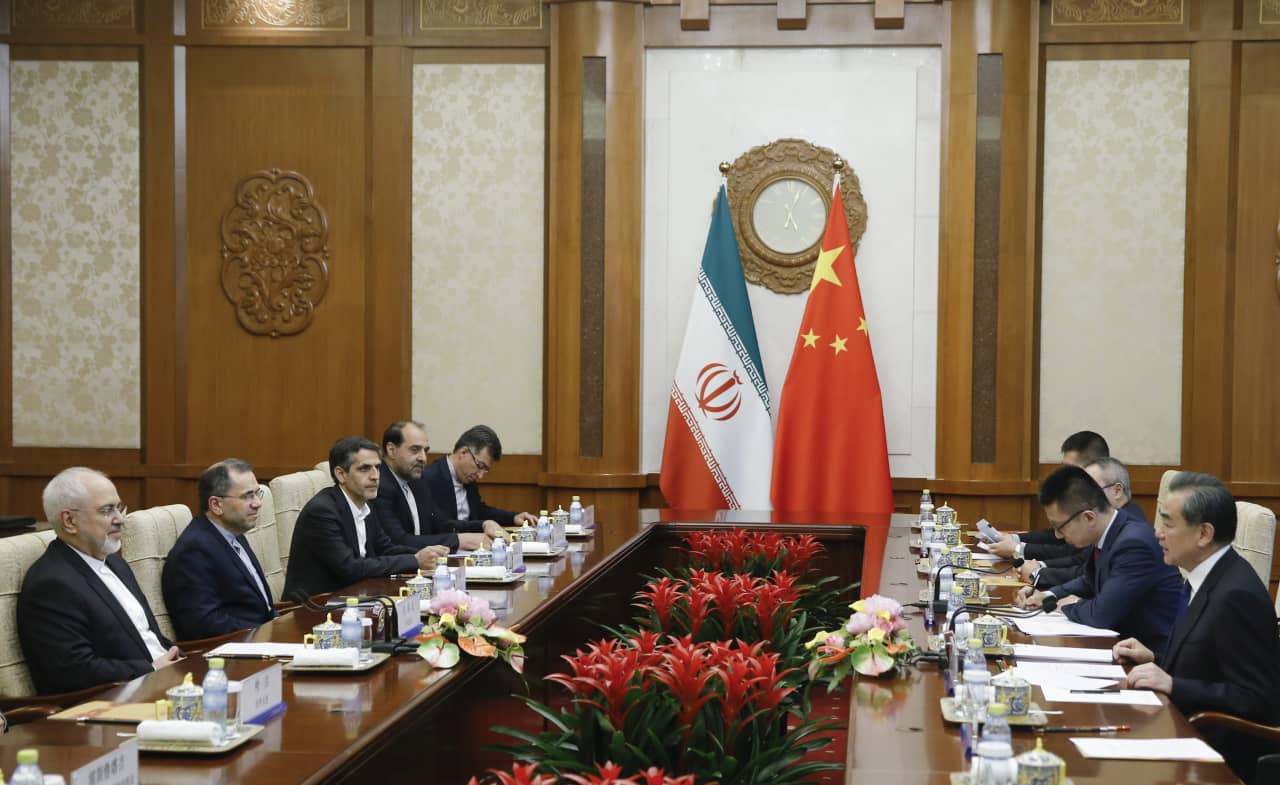
The macro picture is dominated by one variable: oil. As long as the Strait of Hormuz remains effectively closed to tanker traffic, every other market narrative — AI capex, earnings revisions, Fed policy — is subordinate. China's alliance with Tehran is giving its crude cargoes preferential passage through Hormuz, strengthening Beijing's hand in negotiations with Washington. The key watch this week is the Fed meeting: expect a hold, but the statement language around inflation versus growth risks will be dissected for any tilt. Nvidia's GTC keynote today could provide a sentiment catalyst for tech if Huang delivers on next-generation product timelines. History favors staying invested through volatility — panic selling during wild swings has consistently underperformed disciplined buy-and-hold strategies — but position sizing and risk tolerance deserve a hard look when recession probabilities are rising and oil is repricing the entire cost structure of the global economy.