Oil Surges as Iran Mines Strait of Hormuz; Markets on Edge Ahead of CPI
Stock futures wavered Wednesday as the fallout from the U.S.-Israel strike on Iran continued to rattle investors, with tomorrow's CPI report adding another layer of uncertainty. The S&P 500's next move hinges squarely...
Markets Overview
Stock futures wavered Wednesday as the fallout from the U.S.-Israel strike on Iran continued to rattle investors, with tomorrow's CPI report adding another layer of uncertainty. The S&P 500's next move hinges squarely on oil prices and whether the Strait of Hormuz remains navigable — reports that Iran has begun laying naval mines in the strait sent crude higher and put a fresh floor under volatility. Gold tested resistance as investors positioned defensively ahead of the inflation print, while silver volatility built alongside broader commodities strength.
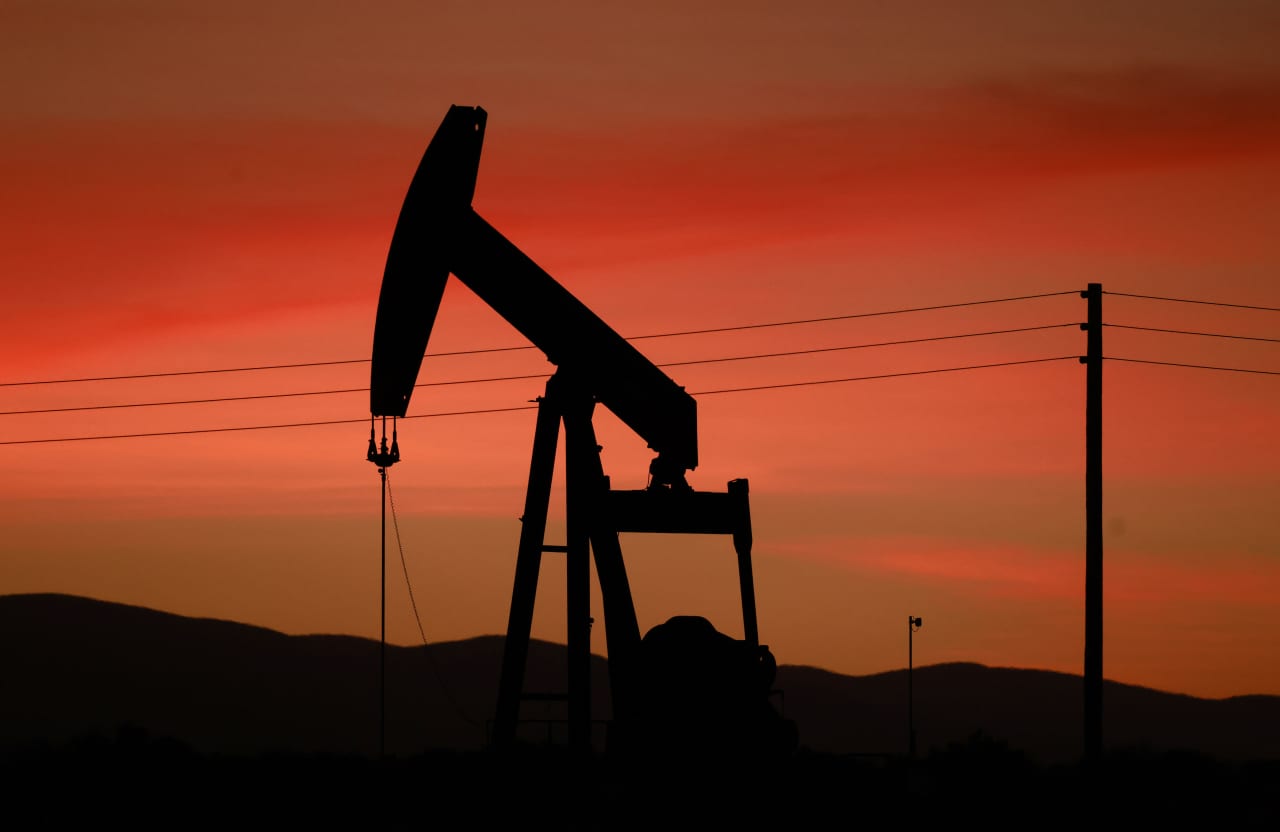
Oil futures climbed as traders awaited what could be a historic release of emergency government reserves to counter the supply disruption from the Iran conflict. Energy stocks have soared in recent sessions, making oil and gas ETFs among the most obvious beneficiaries of the geopolitical turmoil. The key question for markets: does crude break decisively above $100, or do reserve releases and diplomatic offramps cap the spike?
Earnings Reports
Oracle (ORCL) surged after delivering a "strong" fiscal Q3, earning an upgrade to Overweight at J.P. Morgan. The stock had been down roughly 23% year-to-date near $149 before the report, but its remaining performance obligation backlog of $553 billion gave bulls fresh ammunition. The cloud infrastructure buildout story remains intact despite broader tech weakness.
Costco (COST) posted another steady quarter for fiscal Q2 ending Feb. 15, continuing its streak of reliable growth in an uncertain economy. The stock's path to $1,500 is being debated, though its premium valuation demands continued execution. Nvidia (NVDA) drew attention for what analysts are calling a "$630 billion warning" — a reminder that the AI capex cycle carries concentration risk even as the company's GPU demand remains robust.
Billionaire portfolio moves made headlines: Stanley Druckenmiller dumped a major AI infrastructure name in favor of AI companies already generating billion-dollar revenue, while Bill Ackman exited his Chipotle stake entirely, rotating into a dual-industry leader over the past three quarters.
Fed & Economic Data
The European Central Bank stole the macro spotlight as officials openly discussed hiking rates into the Iran-driven supply shock. Traders increased bets on a possible eurozone rate rise this year after ECB members warned they may be forced to act if conflict-driven inflation spirals. It's a hawkish pivot that would ripple across global fixed income if it materializes.
China's February inflation came in at 1.3%, averting the deflation fears that had dogged the economy. The print suggests Beijing's stimulus efforts are gaining some traction, though the Iran supply disruption and its impact on China's oil strategy — already strained after the Venezuela sanctions — adds a new wrinkle. Stateside, all eyes turn to tomorrow's CPI, which will be the first hard inflation data since the Iran conflict escalated.
The 2026 Social Security COLA of 2.8% is currently outpacing realized inflation, though analysts warn that dynamic may not last if energy-driven price pressures persist. Meanwhile, the national debt trajectory — already expanding at roughly $1 billion per day before the Iran campaign — is drawing fresh warnings from fiscal analysts.
Hot Sectors
Energy is the undisputed leader, with oil and gas ETFs catching massive inflows as the Iran conflict disrupts supply expectations. The Strait of Hormuz mining reports and uncertainty around reserve releases are keeping the bid alive.
Defense is mixed — German giant Rheinmetall pulled back after missing expectations on growth, net income, and operating margins despite its massive run-up. Analysts warn its ambitious growth plans face execution risk. The stock appears to have "run out of gas" after its surge.
AI/Semiconductors remain a battleground. A growing chorus questions whether the massive capex cycle can generate returns to justify costs in any reasonable timeframe. One under-the-radar semiconductor name is obliterating Nvidia (NVDA), AMD (AMD), and Broadcom (AVGO) — pointing to potential rotation within the space toward less crowded names.
Cybersecurity saw notable institutional activity, with Tremblant Capital taking a $128 million position in Varonis Systems (VRNS), which is down 40% from highs. Digital banking also drew a $100 million bet on Q2 Holdings (QTWO), down 30%.
Stock News
Walmart (WMT) is drawing skepticism from value-oriented investors questioning its 45x P/E after a tripling in three years against stagnant fundamentals. The bull case rests on execution and defensive positioning, but the valuation requires a lot to go right.
QuantumScape (QS) is down over 30% year-to-date and more than 60% from its 52-week high, prompting dip-buying debate. WeRide (WRD) got a catalyst from a 2,000-unit autonomous vehicle delivery agreement with Geely Farizon, signaling the shift from proof-of-concept to commercial scale.
Grindr (GRND) saw Perry Creek Capital initiate a nearly $6 million position. Everspin Technologies drew attention for its MRAM technology and a speculative humanoid robotics bull case.
Market Analysis
The dominant theme remains the Iran conflict's cascading effects: oil supply risk, inflation expectations, central bank responses, and fiscal costs. Tomorrow's CPI is the week's main event — a hot print on top of surging energy prices could force a rethink of the rate-cut timeline that markets had been pricing. Watch crude's behavior around the $100 level and any news on strategic petroleum reserve releases.
The AI trade is at an inflection point. Druckenmiller's rotation from capex plays to revenue-generating AI companies signals smart money is getting more selective. Nvidia's $630 billion valuation warning and growing capex skepticism suggest the easy money phase may be over — stock selection within the theme matters more than ever.
Water scarcity is emerging as an underappreciated tail risk, with Iran reportedly targeting desalination plants in Gulf oil states. If that infrastructure is seriously damaged, the humanitarian and economic fallout could extend the conflict's market impact well beyond energy prices. Keep this on your radar.
Sources